
Sustainable Packaging Industry - Growth and Future
Introduction
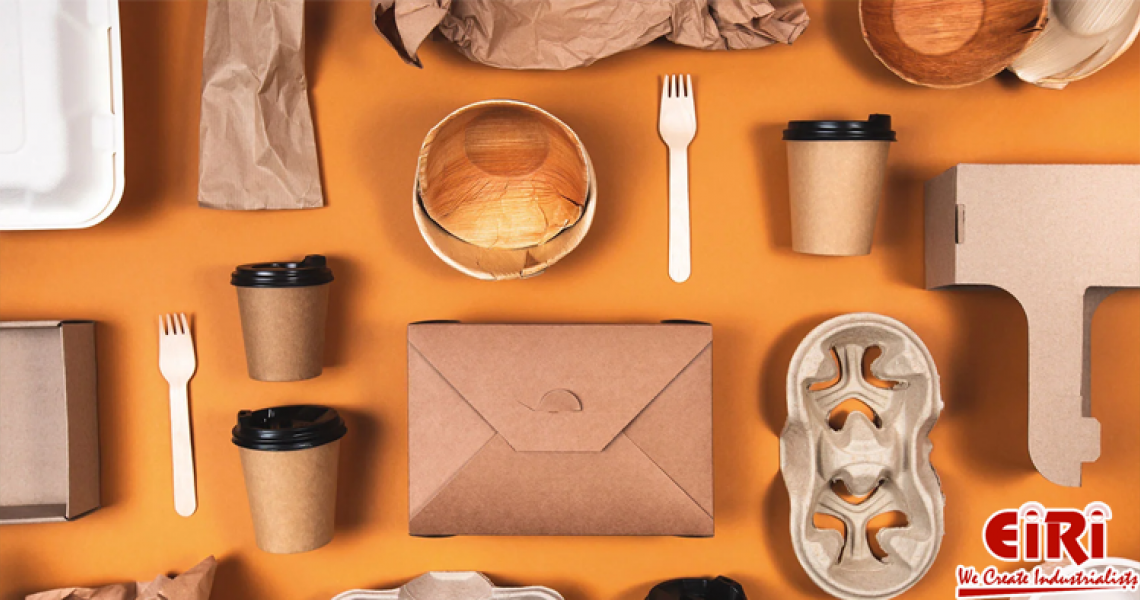
The utilization of biodegradable, easily recyclable, and reusable storage containers and solutions is known as sustainable packaging. Sustainable packaging materials are healthy for the environment because they have no negative environmental effects. Sustainable packing techniques benefit the environment as well. Some of the key reasons that will propel the industry's growth in the forecast period include rising environmental issues brought on by waste disposal disposed of in landfills, severe limits on the consumption of single-use plastics, and increasing customer awareness of sustainable packaging.
Sustainable Packaging Has Become an Eco-Conscious Choice for the Majority of Businesses Now.
When buying a product today, buyers take into account a number of aspects, including the product’s quality and packaging material. Although awareness of how products affect the environment is not new, there has been a resurgence of interest in sustainability with a focus on packaging since 2017. This is demonstrated through federal, state, and local laws, customer attitudes, and marketing director values conveyed through packaging.
The Main Features of Sustainable Marketing Packaging
- The market size of sustainable packaging is $631.10 billion.
- The CAGR is 10.3%.
- The dominating region for green packaging is Asia-pacific.
- The forecast period for green packaging is 2022 to 2030.
What is the Growth and Future of Sustainable Packaging?
The Sustainable Packaging Industry - The Drivers
In this section, we are going to analyze the factors that have caused the growth in the sustainable packaging industry.
The Drivers - Market Growth Will Be Driven by Increasing Demand for Sustainable Food Packaging.
The Usefulness of Green Packaging Material.
There is a big demand in the marketplace for green packaging materials due to reasons like environmentally-friendly materials like biomaterials, reusable paper & plastics, plant-based biomaterials, natural fabrics, renovated product lines, easy to use and compostable in nature, less environmental impact, non-reactive with meals, and maintaining a food safe from pollutants and other environmental implications. The trend toward convenience foods is expected to be fueled by the rising demand for environmentally friendly food packaging among some of the consumer packaged goods industry.
Economic Appeal to the Consumers.
Recent developments in eco-friendly packaging, like edible packaging of materials with a strong emphasis on reducing carbon emissions and waste footprint, are economically appealing to both manufacturers and consumers, driving future market development. Since these innovations can rapidly stockpile comfort food, they have also been important in supporting the growth of the comfort food business, which is anticipated to support the development of the global sustainable packaging market during the forecast period. As a result, clients have gravitated toward ready meals.
Online shopping
The rapid growth of the worldwide online retail business is being fueled by the widespread use of smartphones and the Internet. Online retail sales are rising as consumers make more purchases. Up until 2028, there will be a rising need for packaging options, particularly corrugated board types, that can safely transport goods via the more intricate distribution systems.
More individuals consume goods, including food, drinks, and medicine, while on the go. This is driving up the demand for easy, transportable packaging solutions, with the adaptable plastics industry being one of the primary winners.
Healthy Lifestyle.
Customers are becoming more concerned about their own health, which is resulting in healthier options. So, along with non-prescription medications and nutritional supplements, this is increasing demand for processed products like healthy snacks and beverages (such as gluten-free, organic/natural, portion managed).
The Globalization and Internationalization of Brands.
The fast-moving packaged goods industry is continuing to see an increase in the number of brands that have gone global as businesses look for new, fast-growing markets and industries. Through 2028, greater exposure to westernized lifestyles will hasten this transition in important developing economies.
E-commerce and the internationalization of trade are also fueling brand owners' need for components, such as RFID labels and smart tags, to help them protect against fake goods and improve distribution monitoring.
Conclusion
There is a bright future for sustainable packaging. The drivers of sustainable packaging belong to different fields, which will also experience tremendous growth in the future. Due to the bright future of sustainable packaging, environmental organizations will push forward with various ways to implement it further. Bringing new solutions to the driving segments can further enhance the sustainable packaging environment. So, governments should take steps to strengthen the sustainable packaging market by introducing comprehensive subsidies or other measures for convenience food packaging materials and others.