
Advanced Packaging & Sustainable Packaging Manufacturing - Building the Future of Industry Through Smart, Green, and Scalable Packaging Solutions



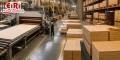


Packaging is no longer just a protective layer around products. It has evolved into a strategic industry that shapes branding, logistics efficiency, consumer trust, sustainability goals, and regulatory compliance. Advanced packaging and sustainable packaging manufacturing together represent one of the fastest-growing industrial ecosystems in the modern economy. This sector is being driven by e-commerce expansion, environmental regulations, changing consumer preferences, and the global shift toward circular economy models.
For entrepreneurs and manufacturers, packaging has transformed from a low-margin auxiliary activity into a high-value manufacturing industry. Today’s packaging businesses are technology-driven, design-focused, compliance-oriented, and sustainability-linked. From smart packaging solutions and automation-ready packaging systems to biodegradable materials and recyclable structures, the packaging industry now sits at the core of modern supply chains.
Advanced packaging focuses on performance, protection, efficiency, automation compatibility, and digital integration. Sustainable packaging focuses on environmental impact, material responsibility, circularity, and regulatory alignment. Together, they form a powerful industrial segment that supports every major sector, including food, pharmaceuticals, FMCG, electronics, logistics, agriculture, healthcare, and retail.
This makes packaging manufacturing one of the most diversified and structurally stable business opportunities for long-term industrial growth.
Industry Scope
Advanced packaging and sustainable packaging manufacturing operate at the intersection of manufacturing, materials science, logistics, branding, and environmental management. The scope of this industry is far wider than traditional boxes, bottles, and wrappers. It includes material innovation, structural design, process engineering, automation integration, and sustainability systems.
Advanced packaging systems are designed to improve product protection, shelf life, logistics efficiency, and supply chain performance. This includes barrier packaging, multilayer films, vacuum packaging, modified atmosphere packaging, tamper-evident packaging, anti-counterfeit packaging, and automation-ready packaging formats. These systems support high-speed production lines, robotic handling, and digital tracking.
Sustainable packaging focuses on reducing environmental impact across the product lifecycle. This includes biodegradable packaging, compostable materials, recyclable packaging, mono-material designs, reusable packaging systems, and circular economy-based packaging solutions. It also includes material substitution, lightweighting, and eco-design strategies that reduce raw material use without compromising performance.
The scope of the industry spans raw material processing, sheet and film manufacturing, molding and forming, printing and finishing, assembly, testing, and recycling. It also includes packaging machinery manufacturing, tooling systems, mold manufacturing, and automation equipment.
Packaging manufacturing connects upstream industries such as paper, pulp, polymers, bio-materials, chemicals, inks, adhesives, and coatings with downstream industries such as FMCG, food processing, pharmaceuticals, electronics, cosmetics, and logistics.
This creates a multi-layered industrial ecosystem where packaging becomes a core manufacturing pillar rather than a supporting activity.
Manufacturing Opportunities
Advanced and sustainable packaging manufacturing offers one of the broadest opportunity landscapes in modern industry. Entry points exist at multiple investment levels, from small production units to large integrated manufacturing plants.
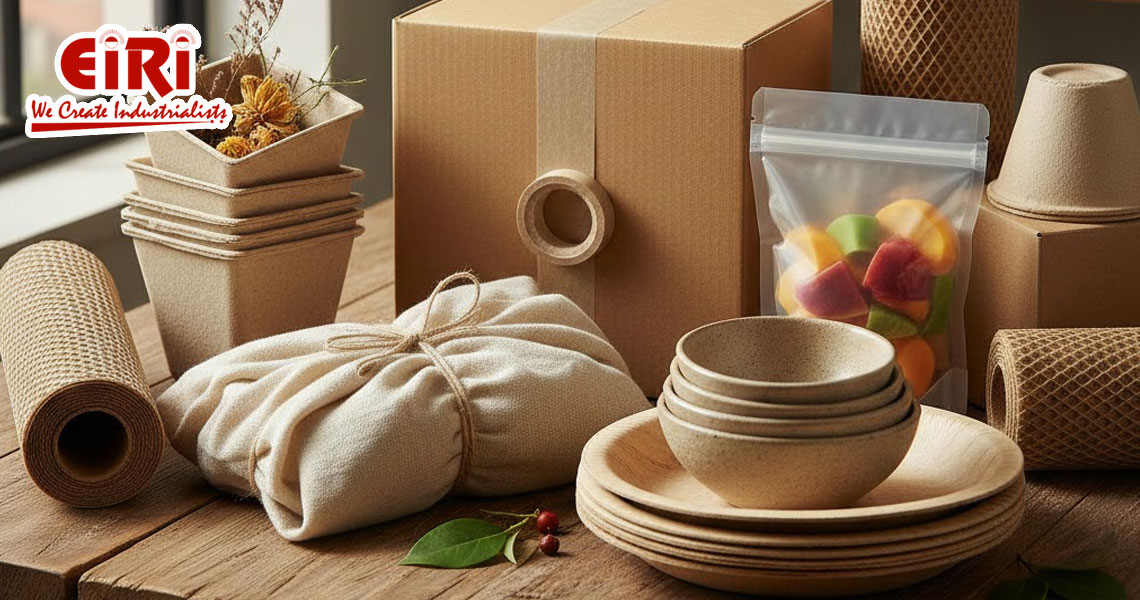
- Biodegradable and compostable packaging manufacturing is a fast-growing segment. This includes packaging made from plant-based polymers, starch blends, bagasse, bamboo fiber, molded pulp, and agricultural residues. These materials are used to produce trays, containers, cups, films, and flexible packaging that naturally decompose after use.
- Recyclable packaging manufacturing focuses on mono-material designs, recyclable plastics, paper-based packaging, aluminum packaging, and glass packaging systems. The shift toward recyclable materials is creating demand for specialized manufacturing lines, material processing units, and packaging conversion facilities.
- Paper-based and fiber packaging is expanding rapidly due to plastic reduction policies. Corrugated boxes, molded fiber trays, paper cups, cartons, and protective packaging systems are replacing plastic in many sectors. This segment supports both industrial-scale production and MSME-level manufacturing units.
- Flexible packaging remains one of the largest packaging segments, now shifting toward sustainable formats. Manufacturing opportunities include recyclable films, biodegradable laminates, water-based inks, solvent-free adhesives, and lightweight multilayer structures.
- Rigid packaging manufacturing includes containers, bottles, jars, crates, pallets, and reusable packaging systems. Reusable industrial packaging for logistics and supply chains is becoming a strong growth segment.
- Smart packaging and advanced packaging technologies form a premium manufacturing category. This includes QR-enabled packaging, traceability systems, temperature-sensitive labels, freshness indicators, tamper-proof seals, and anti-counterfeit packaging solutions. These products serve pharmaceuticals, food exports, and high-value consumer goods.
Packaging machinery manufacturing is another major opportunity. Machines for forming, filling, sealing, printing, labeling, and palletizing are essential for packaging ecosystems. This creates opportunities not only in packaging production but also in equipment manufacturing and automation systems.
What makes this sector especially attractive is its integration across industries. Packaging manufacturing does not depend on one market. It serves multiple industries simultaneously, which reduces business risk and improves stability.
Current Market Landscape
The current packaging market is undergoing a structural transformation. Traditional plastic-heavy, low-cost packaging systems are being replaced by performance-driven, sustainability-focused solutions.
E-commerce growth has dramatically increased demand for protective, lightweight, and logistics-optimized packaging. Packaging must now withstand transport, handling, storage, and last-mile delivery while remaining cost-efficient and environmentally compliant.
Food and beverage industries are driving demand for advanced barrier packaging, shelf-life extension systems, and hygiene-focused packaging formats. Pharmaceutical and healthcare industries require compliance-grade packaging with traceability, tamper-proofing, and regulatory certification.
Retail and FMCG sectors are shifting toward recyclable and biodegradable packaging due to consumer pressure and regulatory requirements. Brands are redesigning packaging to meet sustainability targets, which directly increases demand for sustainable packaging manufacturers.
Regulatory frameworks across many regions are restricting single-use plastics, promoting recycling, and enforcing extended producer responsibility. These policies are reshaping the packaging market and accelerating the shift toward sustainable manufacturing.
Corporate sustainability commitments are also playing a major role. Large companies are setting internal targets for recyclable packaging, carbon reduction, and plastic neutrality, creating long-term supplier demand for sustainable packaging manufacturers.
At the same time, technology adoption is increasing. Automation, robotics, digital printing, AI-based quality control, and smart manufacturing systems are becoming standard in modern packaging plants. This improves efficiency, consistency, and scalability.
Overall, the packaging market is shifting from cost-based competition to value-based competition, where innovation, sustainability, quality, and compliance define market leadership.
Future Growth Development
The future growth of advanced and sustainable packaging manufacturing is structurally strong and long-term.
Environmental regulations will continue to tighten, forcing industries to adopt sustainable packaging formats. Plastic reduction policies, recycling mandates, and carbon regulations will expand globally, not contract. This ensures permanent demand for sustainable packaging solutions.
E-commerce will continue to grow, driving demand for durable, lightweight, and protective packaging. This will increase demand for advanced packaging systems that optimize logistics and reduce transport costs.
Consumer awareness around sustainability will continue rising. Packaging will become a key brand differentiator, pushing companies to invest in eco-friendly, innovative, and transparent packaging solutions.
Circular economy models will reshape packaging manufacturing. Recycling infrastructure, reusable packaging systems, material recovery, and closed-loop supply chains will become standard industrial practices. Packaging manufacturers will increasingly integrate recycling and reuse into their business models.
Material innovation will drive new manufacturing categories. Bio-materials, algae-based packaging, mushroom packaging, cellulose films, and advanced fiber composites will create new product segments and business opportunities.
Digital integration will transform packaging into a data-enabled system. Smart labels, QR codes, traceability systems, and blockchain-based tracking will integrate packaging into digital supply chains.
Automation and Industry 4.0 integration will further improve manufacturing efficiency, reduce waste, and increase scalability. Smart factories will become the norm rather than the exception.
Global trade and export markets will further strengthen packaging demand. Export-grade packaging, compliance packaging, and logistics-optimized packaging will become critical manufacturing segments.
Business Sustainability and Entrepreneurial Potential
Advanced and sustainable packaging manufacturing offers strong long-term business sustainability for entrepreneurs.
The sector is demand-driven, not trend-driven. Packaging is required by every industry and every product category. This creates a permanent market base.
The industry supports modular growth. Entrepreneurs can start with small manufacturing units and gradually scale into integrated plants. Product diversification allows businesses to expand into multiple packaging categories.
Recurring demand models ensure stable revenue. Packaging is a repeat-purchase product, unlike capital goods. Customers require continuous supply, not one-time purchases.
Value addition through design, material innovation, and sustainability increases margins and brand positioning. Packaging businesses can move from commodity manufacturing to premium solution providers.
Export opportunities further strengthen growth potential. Sustainable packaging demand is global, not local.
Government policies, corporate sustainability commitments, and consumer awareness together create a supportive ecosystem for long-term growth.
Conclusion
Advanced packaging and sustainable packaging manufacturing are no longer support industries. They are strategic industrial sectors shaping the future of global manufacturing, logistics, and sustainability. This industry connects technology with sustainability, efficiency with responsibility, and manufacturing with environmental stewardship. It offers entrepreneurs a rare combination of stability, scalability, and long-term relevance. For those looking to start a manufacturing business with future-proof demand, diversified markets, and global relevance, packaging manufacturing stands as one of the strongest industrial opportunities of the modern era.
As industries evolve, regulations strengthen, and sustainability becomes non-negotiable, packaging will not disappear—it will transform. And those who build manufacturing capacity in advanced and sustainable packaging today will become the industrial leaders of tomorrow.