
Air Cooler Manufacturing Business: A Practical Guide for New Entrepreneurs





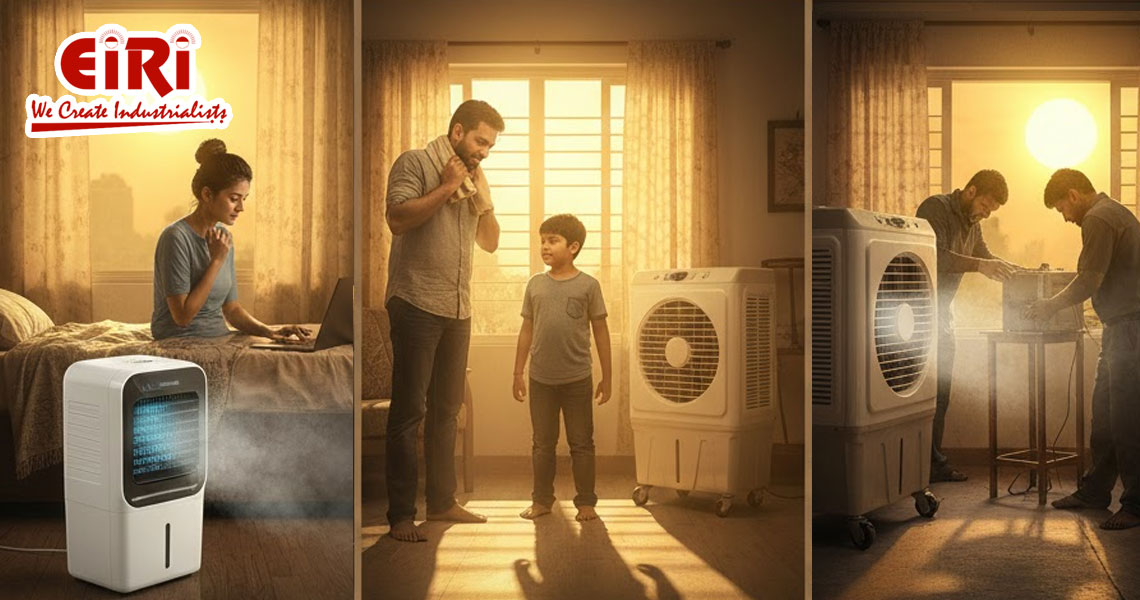
Air coolers have been a part of Indian households for decades. Long before air conditioners became common, air coolers were the primary solution to deal with summer heat, especially in dry and semi-dry regions. Even today, they remain relevant because they are affordable, energy-efficient, and suitable for large sections of the population. As summers become harsher and electricity costs continue to rise, air coolers are seeing renewed demand across homes, offices, shops, factories, schools, and outdoor spaces.
For entrepreneurs, air cooler manufacturing presents a strong seasonal yet repeatable business opportunity. The product has clear demand cycles, simple technology, and scope for both small and medium-scale manufacturing. With the right planning, cost control, and distribution strategy, this business can be profitable within a few seasons.
This article explains the air cooler manufacturing business from a practical point of view, covering the market, product types, manufacturing process, investment needs, compliance, sourcing, pricing, and growth opportunities.
Understanding the Air Cooler Market
The air cooler market is driven mainly by climate conditions, power availability, and consumer spending capacity. In countries like India, where summers are intense and power cuts are still common in many areas, air coolers are often preferred over air conditioners. They consume much less electricity, do not require complex installation, and can work even with inverters or generators.
The market is divided into residential and commercial segments. Residential buyers usually look for personal coolers, desert coolers, or window coolers for homes and apartments. Commercial buyers include shops, warehouses, workshops, restaurants, event spaces, schools, and factories that need cooling for larger areas at a lower cost.
Seasonality plays a big role in sales. Demand usually starts rising from February, peaks between April and June, and then slows down after monsoon. However, manufacturing happens throughout the year to prepare inventory for the peak season. Entrepreneurs who plan production and working capital properly can take full advantage of this cycle.
Types of Air Coolers You Can Manufacture
Before starting manufacturing, it is important to understand different product categories. Each type serves a different customer need and price range.
- Personal air coolers are compact units designed for small rooms or individual use. They are lightweight, affordable, and easy to move. These are popular in urban homes, hostels, and rental spaces. Manufacturing these requires less material and smaller components, making them suitable for new manufacturers.
- Desert air coolers are larger and designed for high cooling capacity. They are commonly used in large rooms, halls, and areas with high temperatures. These coolers use more powerful motors, larger water tanks, and bigger cooling pads. While manufacturing costs are higher, margins are usually better as well.
- Window air coolers are fixed units installed in windows or walls. They are common in older homes and small offices. Their design is more structured and requires precision in body fitting and airflow management.
- Commercial and industrial air coolers are heavy-duty units meant for factories, banquet halls, and open spaces. These often involve custom designs, metal bodies, and higher air delivery capacity. This segment requires more capital and technical capability but offers bulk orders and long-term clients.
Basic Working Principle of Air Coolers
Air coolers work on a simple and well-known principle of evaporative cooling. Hot air from outside is drawn into the cooler through cooling pads soaked with water. As the air passes through these wet pads, water evaporates and absorbs heat from the air. The cooled air is then circulated into the room using a fan.
Because this process depends on evaporation, air coolers work best in dry climates. High humidity reduces cooling efficiency, which is why coolers are more effective in North and Central India compared to coastal regions. This basic working principle keeps technology simple and manufacturing relatively easy.
Raw Materials and Components Required
Air cooler manufacturing does not require very complex raw materials, but quality control is important because performance and durability depend on it.
- The outer body can be made of plastic or metal. Plastic bodies are lighter, rust-free, and popular for residential models. Metal bodies are stronger and commonly used for desert and commercial coolers. Plastic bodies are usually made through injection molding, while metal bodies are fabricated using sheet metal processes.
- The fan and motor assembly is the heart of the cooler. Motors are generally sourced from specialized motor manufacturers. Blade design affects air delivery, so choosing reliable suppliers is important.
- Cooling pads are another critical component. Traditionally, wood wool pads were used, but honeycomb pads made from cellulose material are now more common because they last longer and provide better cooling. Water pumps, pipes, floats, and tanks form the water circulation system.
- Other parts include grills, control knobs or switches, wheels, wiring, and packaging material. Most manufacturers source these parts from different vendors and assemble them in-house.
Manufacturing Process Step by Step
The manufacturing process starts with design and product specification. This includes deciding size, air delivery capacity, tank volume, power consumption, and overall look. For new entrepreneurs, it is common to start with standard designs and make small changes for branding.
Body manufacturing is the next step. Plastic bodies require molds, which involve high initial cost. Because of this, many small manufacturers either outsource body molding or start with metal bodies that can be fabricated with basic machinery like cutting, bending, and welding machines.
Once the body is ready, internal components such as motor, fan, pump, and wiring are installed. Cooling pads are fitted on designated sides, ensuring proper sealing to avoid air leakage. Water distribution pipes and float valves are connected to ensure smooth water flow.
After assembly, each unit goes through testing. This includes checking motor operation, air flow, pump function, water leakage, noise level, and overall stability. Units that pass testing are cleaned, branded with stickers or logos, and packed for dispatch.
Machinery and Infrastructure Requirements
The level of machinery depends on scale. A small-scale unit assembling coolers from outsourced parts can start with basic tools, testing equipment, and assembly tables. Metal body manufacturing requires sheet cutting machines, press brakes, welding machines, grinders, and painting setups.
Injection molding for plastic bodies requires high-value machines and molds, which is why many startups avoid this initially. As the business grows, investing in molds can significantly reduce per-unit cost and improve margins.
Infrastructure requirements include a manufacturing shed, storage area for raw materials and finished goods, testing area, and packing space. Proper ventilation and electrical setup are important for smooth operations.
Investment and Cost Structure
Investment in air cooler manufacturing varies widely based on scale and product type. A small assembly-based unit can be started with relatively low capital, while a full-fledged manufacturing unit with in-house body production requires higher investment.
Major cost heads include machinery, raw materials, labor, rent, power, packaging, and working capital. Seasonal nature of the business means inventory and cash flow planning are very important. Many manufacturers produce in advance and sell aggressively during peak season.
Pricing depends on production cost, brand positioning, and distribution margins. Keeping costs under control while maintaining acceptable quality is key to surviving in this competitive market.
Licenses and Compliance
Starting an air cooler manufacturing business requires basic business registrations. This usually includes business incorporation, GST registration, and MSME registration. Factory license may be required depending on scale and local regulations.
Electrical safety standards should be followed, especially for wiring and motor use. While air coolers are not as heavily regulated as electrical appliances like air conditioners, quality and safety compliance helps build trust with dealers and customers.
For manufacturers planning exports, additional compliance related to packaging, labeling, and destination country standards may apply.
Branding and Market Positioning
The air cooler market is crowded, with many local and regional brands competing on price. New entrepreneurs should avoid direct price wars with large players. Instead, focus on reliability, after-sales service, and clear communication of features.
Branding does not always mean expensive advertising. Simple, consistent branding on products, packaging, and dealer boards helps build recognition over time. Offering warranty and quick service can create repeat customers and word-of-mouth growth.
Sales and Distribution Strategy
Most air cooler manufacturers sell through dealers, distributors, and wholesalers. Building a strong dealer network is critical because seasonal sales require fast market reach. Offering reasonable margins, credit support, and promotional material helps attract dealers.
Some manufacturers also supply to institutions, builders, and event companies in bulk. Online sales are growing, but logistics and return handling need careful planning due to product size and weight.
Timing is crucial. Products must reach the market before peak summer begins. Delays can result in lost sales for the entire season.
After-Sales Service and Support
Air coolers require basic maintenance like pump replacement, pad cleaning, and motor repair. Setting up a simple service support system, either through authorized service centers or local technicians, adds long-term value to the brand.
Spare parts availability is equally important. Customers are more likely to buy from brands that can support repairs even after the warranty period.
Challenges in the Air Cooler Manufacturing Business
Competition is one of the biggest challenges. Many unorganized players operate with very thin margins. Managing raw material price fluctuations, especially plastic and metal, can impact profitability.
Seasonality also creates pressure on cash flow and inventory management. Weather uncertainty, such as extended rains or mild summers, can affect demand.
Despite these challenges, businesses that focus on efficiency, product reliability, and market understanding tend to perform well over time.
Future Opportunities and Growth Scope
Entrepreneurs who start small, learn the market, and gradually expand capacity and product range can build a sustainable manufacturing business in this sector.
Rising Demand for Energy-Efficient and Low-Water-Consumption Coolers
One of the biggest changes happening in the air cooler market is customer awareness. Buyers today are far more conscious about electricity bills, water usage, and long-term running costs than they were earlier. This shift is creating strong demand for energy-efficient air coolers that can deliver good cooling while consuming less power and water.
Electricity costs have gone up across both urban and rural areas. Many households run coolers for long hours during peak summer, often 10 to 14 hours a day. Customers now actively ask about power consumption before buying. Coolers that work efficiently with lower wattage motors or are compatible with inverters are becoming more attractive. Inverter-friendly motors allow coolers to run longer during power cuts without draining batteries quickly, which is a major selling point in many parts of India.
Water availability is another concern. In several regions, water scarcity during summer is a serious issue. Traditional desert coolers with high water consumption are slowly being questioned by users. This is pushing manufacturers to rethink water circulation design, pad thickness, and pump efficiency. Better water distribution systems ensure that cooling pads remain evenly wet without excessive water flow. This directly reduces wastage and improves cooling performance at the same time.
Innovations in cooling pad materials are playing a major role here. While wood wool pads are still used, honeycomb pads made from treated cellulose are gaining wider acceptance. These pads retain water longer, provide more uniform airflow, and last for multiple seasons if maintained properly. Some manufacturers are also experimenting with hybrid pad designs that balance cost and efficiency, making them suitable for mid-range products.
For entrepreneurs, this trend opens up room for product differentiation. Instead of competing only on price, manufacturers can position their coolers as efficient, water-saving, and suitable for long daily usage. Even small improvements in efficiency can be communicated clearly to dealers and customers, creating better perceived value.
Advancements in Airflow Design and Overall Performance
Airflow design is another area where innovation is quietly improving the air cooler product. Customers may not understand technical terms, but they clearly feel the difference between a cooler that throws air evenly and one that cools only a small area.
Improved fan blade design, better motor alignment, and reduced air leakage inside the cooler body all contribute to stronger and more consistent airflow. Proper sealing around cooling pads and internal chambers ensures that hot air is forced through the pads instead of escaping from gaps. This improves cooling without increasing motor power.
Noise reduction is also becoming important, especially for residential users. Balanced fan blades, better motor mounts, and vibration control can significantly reduce noise levels. A quieter cooler is often preferred even if it costs slightly more, particularly for bedrooms and offices.
Entrepreneurs who pay attention to airflow testing and real-world usage conditions can gain a strong advantage. Simple testing methods during manufacturing, such as airflow measurement and heat reduction checks, help ensure consistent quality. Over time, this builds brand trust and reduces complaints and returns.
Growing Demand for Commercial and Industrial Cooling Solutions
Beyond homes, commercial and industrial cooling is emerging as a strong growth segment. Many large spaces simply cannot be cooled efficiently using air conditioners due to high power consumption and installation costs. This is where large-capacity air coolers become a practical solution.
Factories, warehouses, workshops, assembly units, and logistics centers often need continuous airflow rather than closed-room cooling. Air coolers are well-suited for such environments because they bring in fresh air instead of circulating the same indoor air. This also improves ventilation, which is important for worker comfort and safety.
Similarly, banquet halls, event venues, restaurants, religious places, and school buildings require cooling for large open or semi-open spaces. These buyers usually look for durable units with strong air throw, metal bodies, and reliable motors that can operate for long hours.
For manufacturers, this segment offers higher order values and repeat business. Commercial buyers often place bulk orders and prefer long-term supplier relationships. However, they also expect consistent quality, timely delivery, and service support. Customization may be required in terms of size, air delivery capacity, or mounting options.
Entering this segment may require stronger technical understanding and better quality control, but it also reduces dependence on highly seasonal retail sales. Many industrial clients purchase or replace equipment throughout the year, which helps stabilize cash flow.
Export Opportunities in Similar Climate Regions
Air coolers are not limited to the Indian market. Many regions across the world face similar climate conditions where evaporative cooling works effectively. Parts of the Middle East, Africa, Southeast Asia, and Latin America have strong demand for affordable and energy-efficient cooling solutions.
In these markets, electricity costs can be high and air conditioners are often considered expensive to buy and maintain. Air coolers offer a practical alternative, especially for homes, small businesses, and community spaces.
Export opportunities are especially attractive for manufacturers who can standardize quality and packaging. Export buyers usually look for consistent specifications, proper documentation, and reliable shipping schedules. While margins may vary depending on logistics and duties, exports can help manufacturers scale volumes and reduce dependence on a single domestic season.
For new entrepreneurs, exports may not be the first step, but they can be a medium-term goal. Starting with nearby countries or regions with similar product requirements allows gradual learning. Partnering with export agents or distributors can simplify market entry.
Conclusion
The air cooler manufacturing business offers a practical entry point for entrepreneurs looking to enter the consumer durable space. The technology is simple, demand is well-established, and investment can be scaled based on capacity and ambition. Success depends on understanding the market, managing seasonality, maintaining quality, and building strong distribution relationships.
With summers becoming more intense and customers looking for cost-effective cooling, air coolers will continue to remain relevant. For entrepreneurs willing to plan carefully and execute consistently, this industry offers both stability and growth potential.