
Agro-Processing & Value-Added Food Manufacturing Industry










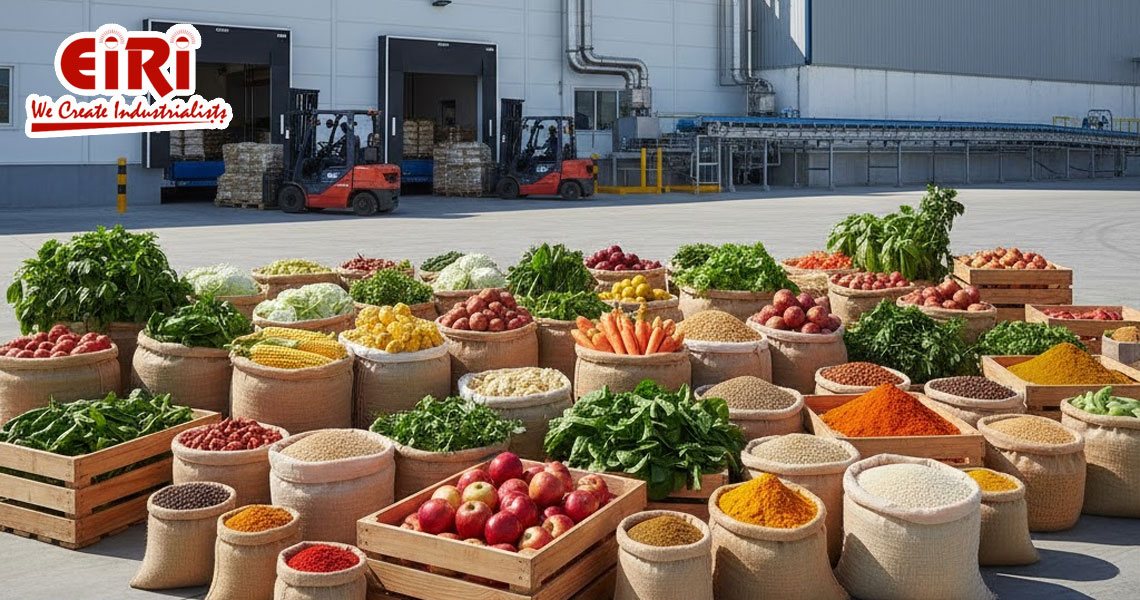
Agro-processing and value-added food manufacturing represent one of the most stable and opportunity-rich industrial sectors in developing and emerging economies. This industry sits at the intersection of agriculture, manufacturing, logistics, and consumer markets, transforming raw farm produce into packaged, branded, shelf-stable, and export-ready products. Unlike heavy industries that depend on capital-intensive infrastructure or volatile global cycles, agro-processing grows directly with population, food consumption, and urban lifestyles.
For entrepreneurs, agro-processing offers a rare combination of stability, scalability, and long-term demand. Food is a non-negotiable necessity. As populations grow, cities expand, incomes rise, and lifestyles change, the demand for processed, convenient, hygienic, and value-added food products increases continuously. This creates a permanent market base rather than trend-driven demand.
Agro-processing is not just about food production. It is about value creation. A raw tomato, onion, or grain has limited shelf life and limited pricing power. But once processed into powder, puree, sauce, packaged food, or functional nutrition products, its value multiplies. This value addition transforms agriculture from a low-margin activity into a high-potential industrial ecosystem.
This industry also plays a crucial economic role by connecting farmers to markets, reducing post-harvest losses, improving supply chain efficiency, and creating rural and semi-urban employment. It strengthens food security while building industrial capacity, making it one of the most socially and economically balanced manufacturing sectors.
Industry Scope
Agro-processing transforms raw agricultural produce into shelf-stable, export-ready, and high-margin products. This sector bridges farming and industry, making it one of the most stable manufacturing segments in developing economies. It creates a direct economic link between agricultural productivity and industrial growth, ensuring that increases in farm output translate into manufacturing opportunities and business development.
At its core, agro-processing is about transformation. Perishable raw materials such as fruits, vegetables, grains, oilseeds, milk, herbs, and spices are converted into products with longer shelf life, higher market value, and wider market reach. Drying, freezing, milling, extraction, refining, fermentation, packaging, and preservation are some of the core processes that define this industry.
The scope of agro-processing includes primary processing such as cleaning, grading, sorting, milling, and storage, as well as secondary processing such as cooking, blending, formulation, dehydration, freezing, and packaging. It also includes tertiary processing, which focuses on ready-to-eat foods, functional foods, nutraceuticals, and premium food products designed for specific consumer segments.
This industry is not limited to domestic consumption. Agro-processed products are among the most traded commodities in global markets. Spices, processed foods, dehydrated products, edible oils, frozen foods, and packaged foods form a major part of agricultural exports. This export orientation makes agro-processing a foreign exchange-generating industry with long-term global demand.
The sector also supports strong supply chain integration. Cold storage, refrigerated transport, warehousing, packaging, branding, and logistics form a parallel ecosystem that grows with agro-processing. This creates multiple business layers beyond manufacturing, allowing entrepreneurs to participate in different parts of the value chain.
Agro-processing is also one of the few industries that can develop equally in rural, semi-urban, and urban regions. Processing units can be located close to farms to reduce logistics costs and raw material losses, while packaging, branding, and distribution hubs can operate near consumption centers. This decentralized structure supports balanced regional development.
Manufacturing Opportunities
Agro-processing offers one of the widest manufacturing opportunity landscapes of any industrial sector. The diversity of raw materials, processing technologies, and consumer markets creates multiple entry points for entrepreneurs at different investment levels.
- Dehydrated fruits and vegetables represent a fast-growing segment driven by convenience food demand, export markets, and the food service industry. Dehydration increases shelf life, reduces storage costs, and enables year-round availability of seasonal produce. Products like onion powder, tomato powder, garlic flakes, fruit powders, and vegetable granules serve multiple industries including packaged foods, hotels, restaurants, and nutraceuticals.
- Spice processing is another high-value manufacturing segment. Cleaning, grinding, blending, extraction, and packaging of spices transform low-value raw produce into premium branded products. Spice oils, oleoresins, and extracts also serve pharmaceutical, cosmetic, and food industries, creating multi-sector demand.
- Edible oil refining and processing provide long-term stability due to constant consumption patterns. From basic oils to refined, fortified, and specialty oils, this segment supports both mass consumption and premium product categories. Cold-pressed oils, organic oils, and functional oils are creating new market segments with higher margins.
- Millet-based food manufacturing is emerging as a strong growth area due to rising health awareness and dietary shifts. Processing millets into ready-to-cook foods, snacks, flour, breakfast cereals, and health products transforms traditional crops into modern consumer products. This segment connects traditional agriculture with modern food markets.
- Ready-to-eat meals and frozen foods are expanding rapidly due to urbanization, working lifestyles, and convenience demand. Manufacturing units producing frozen vegetables, frozen snacks, ready meals, sauces, gravies, and meal kits cater to both domestic and export markets. Cold chain expansion further strengthens this segment.
- Nutraceutical foods and protein powders represent a high-growth, high-margin category. Functional foods, health supplements, plant-based proteins, fortified foods, and dietary nutrition products are becoming mainstream consumption items. This segment combines food processing with health and wellness markets, creating premium pricing opportunities.
- Organic food processing supports export demand and premium domestic markets. Processing organic grains, pulses, spices, oils, and packaged foods builds brand-driven business models focused on quality, traceability, and sustainability.
- Functional beverages, including health drinks, herbal beverages, plant-based drinks, and fortified drinks, are creating a new beverage manufacturing ecosystem. These products target lifestyle health consumers and institutional markets such as gyms, hospitals, and wellness centers.
What makes agro-processing attractive is its scalability. Entrepreneurs can start with small processing units and gradually expand into integrated manufacturing plants. Component-based growth allows businesses to reinvest profits into expansion rather than relying only on large capital investments.
Current Market Landscape
The current market for agro-processing and value-added food manufacturing is strong, diversified, and growing in multiple dimensions:
Growing Demand Across Consumer Segments
Population growth and rising urbanization are driving demand for processed and packaged food. As household sizes shrink and lifestyles get busier, consumers increasingly choose convenient, ready-to-cook, and ready-to-eat products. Increased disposable incomes in developing economies further support demand for premium products such as organic foods, specialty oils, and health snacks.
Expanding Cold Chain & Logistics Infrastructure
Investment in cold storage facilities, refrigerated transport, and food parks is expanding rapidly. This reduces post-harvest losses and enables manufacturers to produce seasonal products year-round. Improved logistics also connects processing units in rural areas to urban consumers and export markets.
Retail & E-Commerce Growth
The rise of organized retail, supermarkets, and online grocery platforms has widened market access for processed food brands. Manufacturers are finding new routes to market through direct-to-consumer sales and digital marketplaces, reducing dependency on traditional distribution channels.
Export Market Strength
Processed foods and agricultural value-added products are increasingly traded internationally. Countries with large agricultural bases and competitive processing capabilities are exporting spices, oilseed products, dehydrated foods, frozen foods, and health foods to global markets. Export revenue adds currency diversification and demand stability to the sector.
Supportive Policy Environment
Many governments support agro-processing through food parks, infrastructure grants, credit schemes, and export incentives. Food safety regulations and quality standards are also improving, which enhances product credibility in domestic and international markets.
Consumer Shift Toward Health & Nutrition
Health consciousness among consumers is reshaping product demand. Clean labels, functional ingredients, organic certification, and nutrient-rich products are gaining significant market share. This trend supports growth in premium processed foods and nutraceutical categories.
Future Growth Development
The agro-processing sector is poised for structural growth rather than cyclical fluctuation. Multiple long-term forces will drive expansion:
- Population & Urbanization Trends: Global population is expected to continue rising for decades, and urban population share will rise further. Urban lifestyles favor processed and convenient foods over raw produce, creating a predictable and expanding consumption base.
- Rising Export Demand: Emerging markets will continue to demand value-added food imports due to climatic limitations, quality requirements, and consumer preferences. This positions agro-processing as an export-oriented industry with strong foreign revenue potential.
- Nutrition & Wellness Markets: Health and wellness trends will deepen, not fade. Consumers are increasingly prioritizing quality, safety, functional nutrition, and traceability. This trend supports growth in protein products, fortified foods, plant-based alternatives, and nutraceutical categories.
- Technology & Automation Integration: Industry adoption of food processing technology, AI-driven quality systems, robotics, and process automation will improve productivity, reduce waste, and enhance product consistency. Digital traceability systems will further strengthen trust in supply chains.
- Cold Chain & Food Parks Expansion: Continued investment in cold chain networks, automated warehouses, PPP food parks, and integrated logistics ecosystems will reduce barriers to entry and open regional clusters for manufacturing growth.
- Circular Economy & Waste Utilization: Future growth will also come from waste-to-value models. By-product utilization, animal feed production, composting, renewable energy from waste, and eco-packaging will expand revenue streams and reduce environmental impact.
- Skill Development & Rural Participation: Skill development in food technology and processing will increase the availability of trained workforce, enabling higher quality production. Agro-processing in rural and semi-urban areas will support inclusive growth and job creation.
Why It’s Future-Proof
Agro-processing is fundamentally anchored to food consumption, which remains resilient across economic cycles. Key reasons this industry will continue to grow sustainably include:
- Unchanging Human Needs: Food is essential—demand doesn’t disappear even in recessions.
- Population & Income Growth: More people with rising incomes consume more value-added food.
- Urban Lifestyles: Urbanization drives demand for convenience and branded foods.
- Export Orientation: Global food trading systems and demand for processed foods continue expanding.
- Health Awareness: Health, wellness, and nutrition products are long-term consumer trends.
- Infrastructure Development: Cold chains, digital marketplaces, and logistics improve market access.
These factors ensure the sector remains not just relevant but central to national food systems and industrial strategies.
Business Sustainability and Growth Models
- Agro-processing supports multiple sustainable business models. Manufacturing can be combined with branding, distribution, and retail to create integrated value chains. Businesses can evolve from contract manufacturing to private label production and finally to brand ownership.
- Vertical integration strengthens profitability. Controlling sourcing, processing, packaging, and distribution improves margins and supply stability. Horizontal expansion across multiple product categories reduces market risk.
- Export-oriented manufacturing adds currency diversification and market diversification. Domestic market fluctuations can be balanced with export demand, creating revenue stability.
- Technology integration improves efficiency and quality. Automation, quality control systems, cold chain technology, and digital traceability systems improve productivity and regulatory compliance.
- Circular economy models further strengthen sustainability. Waste utilization, by-product processing, animal feed production, composting, and bio-energy generation convert waste into value streams, reducing costs and increasing profitability.
Conclusion
Agro-processing and value-added food manufacturing are not just industries; they are economic foundations. They connect agriculture with industry, rural regions with urban markets, and local production with global trade. They create value from abundance, stability from consumption, and opportunity from necessity.
For entrepreneurs, this sector offers rare long-term stability combined with scalable growth. It allows entry at small scale and expansion into large industrial operations. It supports both domestic markets and global exports. It connects traditional farming systems with modern industrial economics.
As populations grow, cities expand, health awareness increases, and global food trade strengthens, agro-processing will continue to grow structurally, not cyclically. It will remain one of the most future-proof manufacturing industries of the modern economy, offering not just business opportunities, but long-term economic security, social impact, and sustainable development.
In the coming decades, agro-processing will not only define food systems—it will define how economies grow, how industries develop, and how societies achieve stability through sustainable production.