
Top 3 Beverages Businesses - Soft Drinks, Soya Milk, and Aloe Vera Juice










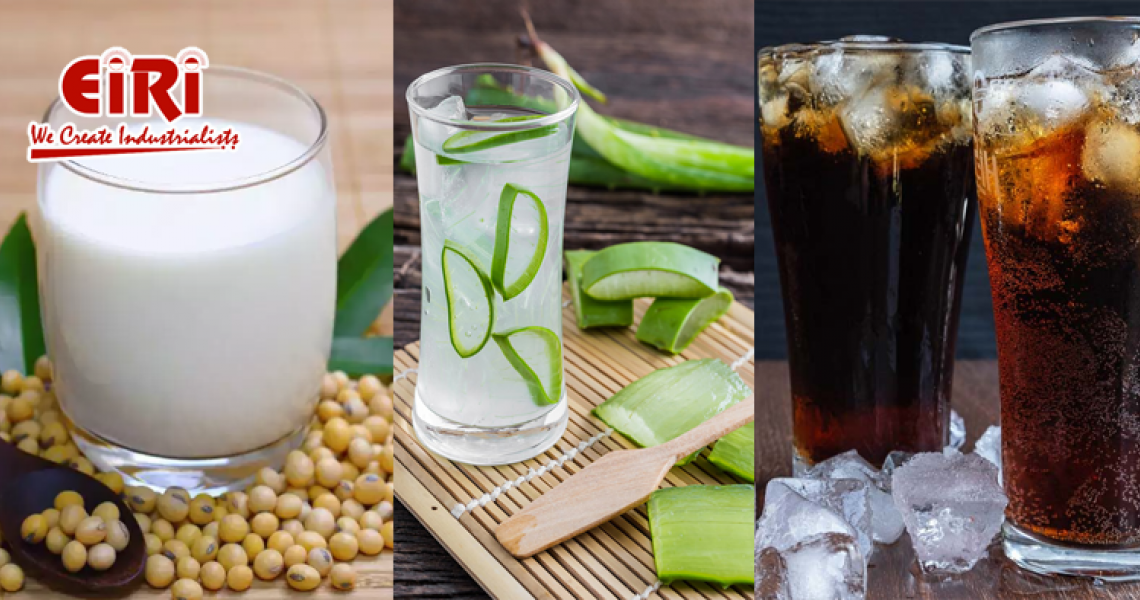
The beverages industry has always been a lucrative and evergreen business sector, offering a wide array of choices to consumers worldwide. The Beverages Industry, valued at USD 24.42 billion in 2021, is set to surge from USD 26.8 billion in 2022 to an impressive USD 71.83 billion by 2030. With a projected Compound Annual Growth Rate (CAGR) of 12.7% during the forecast period from 2023 to 2030, the industry demonstrates robust potential for substantial expansion.
The global beverage industry is undergoing significant transformation, driven by its evolving role in society and culture. Non-alcoholic beverages now dominate more than 50% of the global market, fueled by a growing preference for revitalizing drinks and cultural shifts worldwide. With trade barriers easing, manufacturers are expanding production capacities globally, capitalizing on emerging market opportunities driven by changing consumer demands.
Consumers, particularly millennials, are increasingly seeking healthier beverage options enriched with nutrients, driving manufacturers to innovate and introduce new products. This shift in consumer preferences is reshaping product formulations and manufacturing concepts to cater to evolving tastes and preferences globally.
Beyond basic refreshment, non-alcoholic beverages serve various functions such as mood enhancement, fortification, and indulgence, catering to consumers' busy lifestyles. Convenience drinks like canned carbonated soft drinks (CSD) and Ready-to-Drink (RTD) coffee/tea have become mainstream trends, offering grab-and-go convenience for on-the-go consumers. As the beverage landscape continues to evolve, manufacturers are poised to meet the diverse needs of consumers worldwide with innovative and nutritious offerings.
Among the myriad options available, three beverages stand out for their popularity, versatility, and health benefits: soft drinks, soya milk, and aloe vera juice.
1. Soft Drinks:
Soft drinks, also known as carbonated beverages or sodas, have been a staple in the global beverages market for decades. These refreshing drinks come in various flavors, including cola, lemon-lime, orange, and root beer, among others. The appeal of soft drinks lies in their bubbly texture, sweet taste, and ability to quench thirst, making them a favorite choice for consumers of all ages.
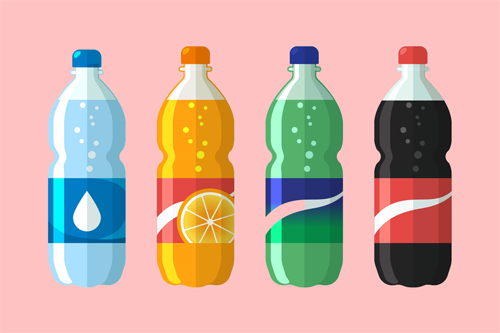
In 2023, the global soft drinks market achieved a significant milestone, reaching a size of US$ 604.0 Billion. The market is expected to surge to US$ 872.8 Billion by 2032, reflecting a steady growth rate (CAGR) of 4.18% during the period spanning from 2024 to 2032.
Despite concerns over their sugar content and potential health risks, soft drinks continue to dominate the market due to their widespread availability, affordability, and convenience. Manufacturers are increasingly focusing on offering healthier alternatives by reducing sugar content, introducing natural flavors, and incorporating functional ingredients such as vitamins and minerals. Additionally, the rise of innovative packaging formats, including smaller portion sizes and resealable bottles, has further expanded the appeal of soft drinks to health-conscious consumers on the go.
2. Soya Milk:
Soya milk, derived from soybeans, has gained immense popularity in recent years as a nutritious and dairy-free alternative to traditional cow's milk. Rich in protein, vitamins, and minerals, soya milk offers numerous health benefits, including improved heart health, better digestion, and enhanced bone strength. It is also suitable for individuals with lactose intolerance or dairy allergies, making it a versatile beverage option for a diverse consumer base.
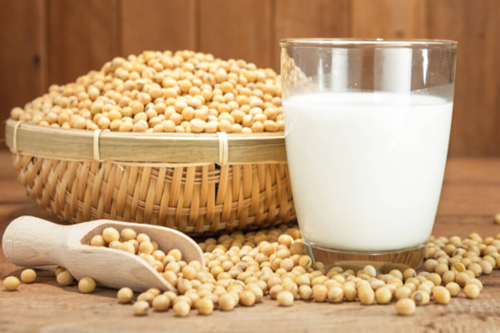
The global soy beverages market is poised for significant expansion, with an estimated growth from USD 21.5 billion in 2022 to USD 38.86 billion by 2032, representing a CAGR of 6.10%.
In addition to its nutritional value, soya milk has also found favor among environmentally conscious consumers due to its lower carbon footprint compared to conventional dairy products. The growing demand for plant-based foods and beverages has spurred innovation in the soya milk market, leading to the development of flavored varieties, fortified options, and ready-to-drink formulations. With its growing availability in supermarkets, health food stores, and cafes, soya milk is poised to remain a top contender in the beverages industry for years to come.
3. Aloe Vera Juice:
Aloe vera juice, extracted from the inner gel of the aloe vera plant, has emerged as a popular health beverage renowned for its medicinal properties and hydrating benefits. Packed with antioxidants, vitamins, and amino acids, aloe vera juice offers a range of health-promoting effects, including improved digestion, enhanced immune function, and glowing skin. Its soothing and cooling properties make it a go-to remedy for various ailments, including sunburns, digestive issues, and inflammation.
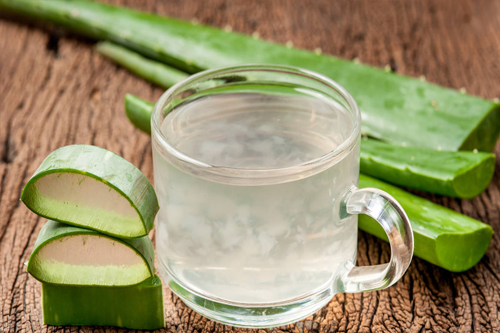
The global aloe vera gel market is set to surge from USD 337.7 million in 2022 to USD 712.3 million by 2032, showing a CAGR of 7.8% during 2022-2032.
In recent years, aloe vera juice has transitioned from niche health stores to mainstream supermarkets and wellness outlets, driven by increasing consumer awareness of its therapeutic benefits. Manufacturers are capitalizing on this trend by offering aloe vera juice in a variety of flavors, blends, and formulations to cater to diverse tastes and preferences. With its growing popularity as a functional beverage and natural remedy, aloe vera juice is poised to carve out a significant niche in the beverages market, appealing to health-conscious consumers seeking holistic wellness solutions.
In conclusion, the beverages industry offers a wealth of opportunities for entrepreneurs and investors looking to capitalize on consumer preferences and market trends. Soft drinks, soya milk, and aloe vera juice represent just a few examples of the diverse range of beverage options available, each offering its unique appeal and potential for growth. By staying attuned to consumer demands, embracing innovation, and prioritizing quality and sustainability, beverage businesses can thrive in this ever-evolving market landscape.