
Industrial and Agricultural Waste Recycling







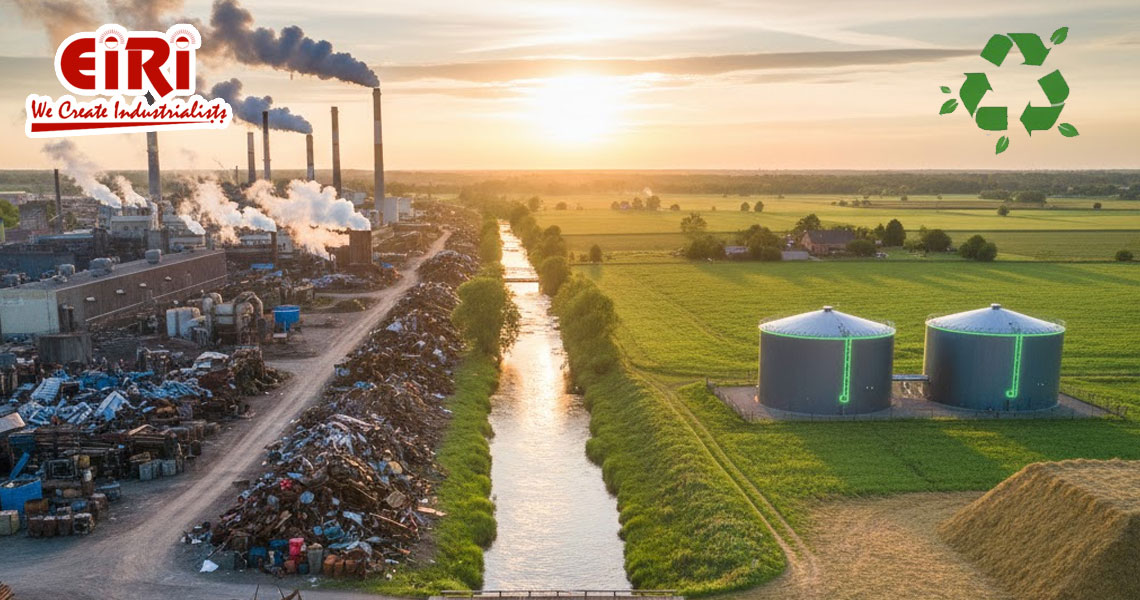
Waste recycling has moved from being a social responsibility to becoming a serious business opportunity. With rapid industrial growth, urbanization, and changes in consumption patterns, the volume of waste generated by industries, agriculture, healthcare, and households has increased sharply. Governments, regulators, and businesses are now under pressure to manage waste responsibly, which has created strong demand for organized recycling solutions.
Industrial and agricultural waste recycling covers a wide range of materials, including metal scrap, plastic waste, organic waste, biomedical waste, electronic waste, and by-products such as rice bran. Each of these waste streams has its own processing requirements, compliance needs, and market demand. Together, they form a large and growing industry that offers opportunities for entrepreneurs across different scales of investment.
Unlike many seasonal businesses, recycling operates throughout the year. Raw material availability is continuous, and demand for recycled output is driven by manufacturing, energy, agriculture, and infrastructure sectors. This makes recycling a stable and long-term business option for those willing to understand the technical and regulatory aspects.
Understanding Industrial and Agricultural Waste Streams
Industrial waste is generated from manufacturing units, fabrication workshops, power plants, refineries, and processing industries. This includes metal scrap, plastic waste, chemical residues, sludge, packaging waste, and rejected components. Agricultural waste comes from farming, food processing, and agro-based industries. Examples include crop residue, husk, bran, bagasse, manure, and organic waste from food supply chains.
Healthcare facilities generate biomedical waste, which includes sharps, contaminated materials, and disposables. Electronic waste comes from discarded electrical and electronic equipment such as computers, mobile phones, appliances, and industrial electronics.
Each waste stream has different risks and value potential. Some waste types are hazardous and require strict handling, while others are relatively safe and easier to process. Successful recycling businesses usually specialize in one or two streams initially and expand gradually as experience and capacity grow.
Industry-Wise Recycling Opportunities and Government Support in India
Industrial and agricultural waste recycling includes multiple specialized business segments. Each segment differs in raw material sourcing, investment size, regulatory complexity, and revenue model. Understanding these segments separately helps entrepreneurs choose the right entry point based on capital, location, and risk appetite.
Segment-Based Recycling Opportunities for Entrepreneurs
Metal Recycling
Operates best in industrial zones with construction, fabrication, and automobile activity. Strong and continuous demand from steel plants and foundries makes this segment cash-driven, but entrepreneurs must manage price fluctuations and transport logistics carefully.
Plastic Recycling
Closely linked to packaging, FMCG, and consumer goods industries. Demand for recycled granules is rising due to regulatory pressure. Businesses with strong segregation, washing, and quality control systems are able to secure long-term supply contracts.
Organic and Agricultural Waste Recycling
Suitable for rural and semi-urban regions with access to crop residue, food waste, and animal waste. Compost, biofertilizer, and biogas projects benefit from steady raw material availability and increasing adoption of sustainable farming practices.
Biomedical Waste Recycling
Compliance-driven segment where hospitals and clinics must use authorized recyclers. High regulatory requirements and controlled operations result in stable revenues and long-term service contracts rather than price-based competition.
Rice Bran Oil and Agro-Byproduct Processing
Best located near rice mills and agricultural clusters. Focuses on value addition rather than waste disposal. Strong linkage with food, animal feed, and personal care industries supports consistent demand.
E-Waste Recycling
Growing rapidly due to increased electronics consumption. Entrepreneurs often start with collection and dismantling, gradually expanding into material recovery through partnerships or technology upgrades.
Government policies and regulatory frameworks play a major role in shaping the recycling industry in India. Financial incentives, mandatory compliance rules, and sustainability-focused missions create strong demand for organized recycling businesses while reducing entry risk for compliant entrepreneurs.
Government Schemes and Incentives Supporting Recycling Businesses
MSME Registration Benefits
Enables access to priority sector lending, lower interest rates, credit guarantee schemes, and participation in government procurement programs.
State Government Incentives
Many states offer capital subsidies, electricity duty exemptions, power tariff rebates, and industrial land support for recycling and waste-processing units.
Swachh Bharat Mission and Solid Waste Management Rules
Encourage municipal partnerships with private recyclers, creating long-term service contracts for collection, processing, and disposal of waste.
Plastic Waste Management Rules and EPR Framework
Increase demand for authorized plastic recyclers as producers are required to meet recycling and recovery targets through certified operators.
MNRE Support for Organic Waste Projects
Biogas and waste-to-energy plants receive financial and technical support under renewable energy and cleans Ganga-linked sustainability programs.
Ministry of Food Processing Industries Schemes
Provide financial assistance for agro-processing units, including rice bran oil extraction and byproduct utilization.
Startup India and Industrial Development Corporations
Offer incubation, funding access, infrastructure support, and policy facilitation for environment-focused enterprises.
Metal Waste Recycling Business
Metal recycling is one of the oldest and most established segments of the recycling industry. Metals such as iron, steel, aluminum, copper, brass, and zinc can be recycled multiple times without significant loss of quality. This makes them highly valuable in the secondary raw material market.
Metal waste comes from construction sites, factories, automobile workshops, ship-breaking yards, and consumer goods. The recycling process generally involves collection, segregation, cutting or shredding, cleaning, and melting. The recycled metal is then supplied to foundries, rolling mills, or manufacturers.
For entrepreneurs, metal recycling offers relatively quick returns because demand for scrap metal is consistent. However, margins depend heavily on raw material sourcing, market prices, and logistics efficiency. Price fluctuations are common, so working capital management is critical.
Starting small with collection, sorting, and trading can be a good entry point. As scale increases, investing in cutting machines, shredders, and furnaces can improve margins and control over quality.
Plastic Waste Recycling Industry
Plastic waste recycling has gained strong attention due to environmental concerns and regulatory pressure. Plastic waste comes from packaging, consumer goods, industrial scrap, and agricultural films. Different types of plastics require different recycling processes, which makes segregation very important.
- The recycling process usually includes collection, sorting by polymer type, washing, shredding, drying, and granulation. The recycled plastic granules are then used to manufacture products such as pipes, containers, sheets, furniture, and packaging material.
- Plastic recycling is more process-driven than metal recycling. Quality control, cleanliness, and consistency directly affect the value of the final product. Entrepreneurs need to invest in washing lines, grinders, dryers, and extruders depending on the scale.
Government policies encouraging extended producer responsibility have increased demand for organized plastic recyclers. Manufacturers are increasingly required to use recycled plastic content, creating long-term demand for quality recyclate.
Organic and Agricultural Waste Recycling
Organic waste recycling focuses on converting biodegradable waste into useful products such as compost, biogas, biofertilizers, and soil conditioners. Agricultural waste includes crop residue, animal waste, food processing waste, and organic by-products.
Composting is one of the most common methods used. It involves controlled decomposition of organic material to produce nutrient-rich compost. Biogas plants use anaerobic digestion to produce gas for energy and slurry for fertilizer.
For entrepreneurs, organic waste recycling aligns well with agriculture and sustainability goals. Demand for organic manure and soil improvement products is increasing as farmers look to reduce chemical input costs.
This segment often requires close coordination with farmers, food processors, municipalities, or large waste generators. While margins may not be very high initially, the business benefits from stable demand and government support schemes.
Biomedical Waste Recycling and Treatment
Biomedical waste recycling is a highly regulated but essential industry. Hospitals, clinics, laboratories, and healthcare centers generate waste that can pose serious health risks if not handled properly. This includes sharps, contaminated plastics, syringes, gloves, and chemical waste.
The recycling and treatment process involves collection, segregation, disinfection, shredding, incineration, or chemical treatment depending on waste category. Only authorized operators with approved facilities are allowed to handle biomedical waste.
For entrepreneurs, this sector requires higher investment and strict compliance with pollution control norms. However, it also offers stable contracts and predictable revenue because healthcare facilities are legally required to dispose of waste through authorized agencies.
Trust, compliance, and service reliability are more important than pricing in this segment. Businesses that maintain consistent standards and transparent operations can build long-term relationships.
Rice Bran Oil and Agro-Byproduct Processing
Rice bran oil extraction is an example of value addition through agricultural waste utilization. Rice bran, which is a by-product of rice milling, contains oil that is widely used in cooking, food processing, and cosmetics.
The process involves stabilization of rice bran to prevent spoilage, followed by oil extraction using solvent or mechanical methods. The remaining de-oiled bran is used as animal feed or in other applications.
This business is closely linked to rice mills and agricultural supply chains. Entrepreneurs entering this segment need to focus on sourcing fresh bran, maintaining quality, and complying with food safety standards.
Agro-byproduct recycling like this not only reduces waste but also creates additional income streams for farmers and processors.
E-Waste Recycling Industry
Electronic waste is one of the fastest-growing waste streams in the world. Rapid technology upgrades and shorter product lifecycles have led to increasing disposal of electronic equipment. E-waste contains valuable materials such as copper, aluminum, precious metals, and rare earth elements.
The recycling process involves collection, dismantling, segregation, and recovery of materials. Advanced processes may include shredding, separation, and chemical extraction.
E-waste recycling requires technical knowledge and careful handling because of hazardous substances like lead, mercury, and chemicals. Regulatory approval is mandatory, and improper handling can cause serious environmental damage.
Entrepreneurs can start with collection and dismantling activities before moving into advanced recovery processes. Partnerships with larger recyclers are common in this sector.
Emerging Recycling Technologies and Innovations
Technology is playing a growing role in improving recycling efficiency and profitability. Automation in sorting, sensor-based segregation, and improved shredding systems are helping reduce contamination and increase output quality.
Chemical recycling of plastics, which breaks polymers back into basic components, is gaining attention as a solution for hard-to-recycle plastics. Waste-to-energy technologies are also being explored for non-recyclable waste fractions.
Digital platforms are helping connect waste generators with recyclers, improving traceability and compliance. Entrepreneurs who stay informed about new technologies can gain early-mover advantages.
While advanced technologies may require higher investment, they also open doors to partnerships, funding, and policy support.
Compliance, Licensing, and Environmental Responsibility
Recycling businesses operate under environmental regulations. Licenses from pollution control authorities, waste handling permits, and periodic audits are common requirements. Compliance is not optional and must be built into business planning from the beginning.
Maintaining proper documentation, safe working conditions, and environmentally responsible processes helps avoid penalties and shutdowns. It also improves credibility with customers, investors, and regulators.
Entrepreneurs who treat compliance as part of business quality rather than a burden are better positioned for long-term growth.
Conclusion
Industrial and agricultural waste recycling is no longer a niche activity. It is becoming a core part of modern manufacturing, farming, and urban systems. With multiple waste streams, growing demand for recycled materials, and strong policy support, the sector offers wide-ranging opportunities for entrepreneurs.
Success in this industry depends on understanding material flow, investing in the right processes, and maintaining compliance and quality. Entrepreneurs who approach recycling as a long-term, responsible business can build stable and scalable enterprises while contributing to environmental protection and resource efficiency.