
5 top profitable manufacturing business ideas tailored for Tamil Nadu










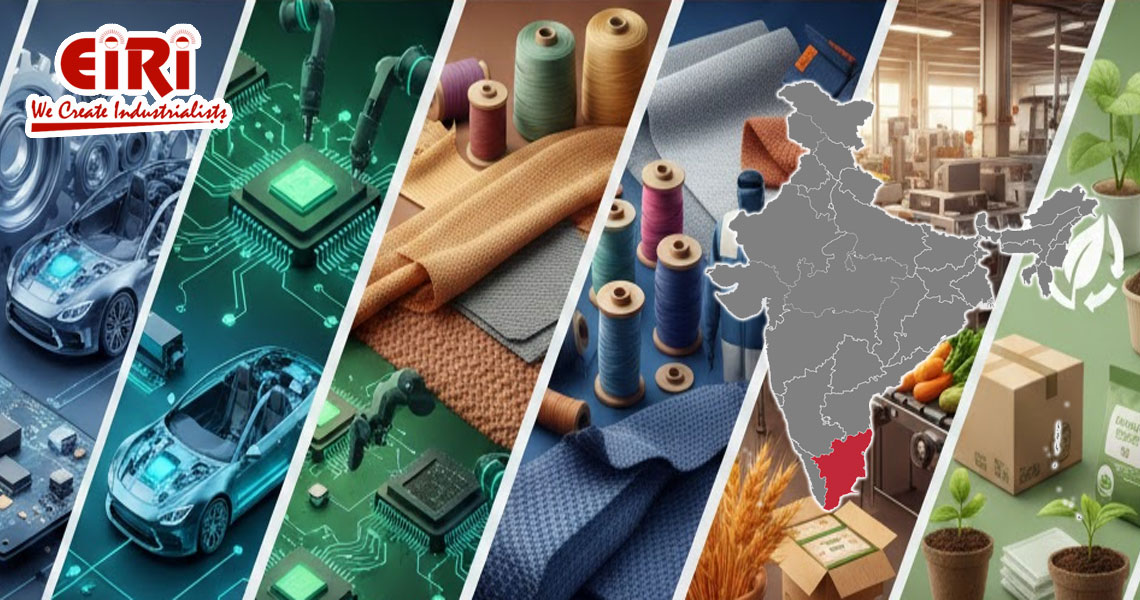
Tamil Nadu is one of India’s most industrially mature states, supported by a large and diverse population base. The state has a well-balanced demographic structure with a high proportion of working-age individuals, making it highly suitable for labour-intensive as well as technology-driven industries. Compared to many other regions, Tamil Nadu also benefits from relatively stable population growth, which helps industries plan long-term workforce requirements without sudden labour shortages or excessive migration pressure.
Literacy levels in the state are consistently above the national average, with strong emphasis on technical, engineering, and vocational education. Tamil Nadu hosts a dense network of engineering colleges, polytechnic institutes, industrial training centres, and universities. This ensures continuous availability of skilled and semi-skilled manpower for manufacturing units across sectors such as automobiles, electronics, textiles, food processing, and emerging green industries.
This article highlights Tamil Nadu’s strong demographic foundation and industrial readiness, showcasing why the state is an ideal destination for new manufacturing ventures. With a skilled workforce, high literacy levels, well-developed urban centres, robust infrastructure, and supportive industrial policies, Tamil Nadu offers a stable and scalable environment for entrepreneurs. The discussion of key sectors—auto components and EV manufacturing, electronics and circuit assembly, textiles and technical textiles, food processing, and biodegradable products—demonstrates the breadth of opportunities available across both traditional and emerging industries. Together, these factors position Tamil Nadu as a strategically advantageous location for building sustainable, profitable, and future-oriented manufacturing businesses.
Urbanisation and Industrial Clusters
Tamil Nadu has a high level of urbanisation, with well-developed cities such as Chennai, Coimbatore, Hosur, Tiruchirappalli, Salem, Madurai, and Tiruppur acting as industrial anchors. These cities are surrounded by established industrial estates and manufacturing clusters, allowing new industries to integrate easily into existing supply chains.
The presence of multiple industrial corridors, ports, and logistics hubs strengthens the state’s manufacturing ecosystem. Coastal access through major ports enhances export competitiveness, while inland connectivity ensures smooth movement of raw materials and finished goods.
Policy Environment and Ease of Doing Business
The state government has consistently focused on industrial development through investor-friendly policies, streamlined approvals, and sector-specific incentives. Tamil Nadu offers a relatively predictable regulatory environment, which is a major advantage for long-term manufacturing investments. MSMEs, in particular, benefit from supportive infrastructure, access to industrial parks, and facilitation through single-window clearance mechanisms.
Power availability, industrial water supply, and transport infrastructure are comparatively strong, reducing operational risks for manufacturing businesses. This combination of demographic strength, infrastructure readiness, and policy support makes Tamil Nadu a preferred destination for new industrial ventures.
Auto Components and EV-Related Manufacturing
Industry Overview
Tamil Nadu has long been recognised as the automotive backbone of India. The state hosts a large concentration of automobile manufacturers and global OEMs, which has naturally led to the development of a vast auto components ecosystem. This ecosystem continues to expand with the transition toward electric vehicles and advanced mobility solutions.
Business Potential
Auto component manufacturing offers opportunities across multiple scales, from small precision parts to complex assemblies. With the growing penetration of electric vehicles, demand is rising for new categories of components such as battery housings, thermal management parts, electronic connectors, and lightweight structural components.
Tamil Nadu’s existing supplier networks, testing facilities, and skilled workforce reduce entry barriers for new manufacturers. Ancillary units benefit from assured demand, long-term contracts, and integration with both domestic and export markets.
Key Points
- Strong presence of automobile OEMs and tier-1 suppliers
- Well-established auto clusters and testing facilities
- Growing shift toward electric and hybrid vehicles
- High demand for precision engineering and ancillary units
- Easy integration into domestic and export supply chains
Future Growth Forecasts
The future of auto components in Tamil Nadu is closely linked to electric mobility and advanced automotive technologies. Rising EV adoption, localisation of components, and innovation in lightweight materials will create sustained demand. The state is expected to remain a national leader in automotive manufacturing and exports.
Electronics and Circuit Assembly Manufacturing
Industry Overview
Electronics manufacturing has gained strong momentum in Tamil Nadu, supported by rising domestic consumption and increasing localisation of electronic components. The state is positioning itself as a reliable manufacturing base for consumer electronics, industrial electronics, and electronic sub-assemblies.
Business Potential
Manufacturing printed circuit boards, electronic modules, control panels, and consumer electronics assemblies offers high scalability and export potential. With growing digitisation across industries, demand for electronic components continues to rise steadily.
Tamil Nadu’s skilled technical workforce, proximity to ports, and presence of large electronics manufacturers create favourable conditions for component suppliers and contract manufacturers. Over time, businesses in this sector can move up the value chain from assembly to design-linked manufacturing.
Key Points
- Expanding electronics manufacturing ecosystem
- Availability of skilled technical and engineering manpower
- Rising demand for consumer and industrial electronics
- Strong export potential due to port connectivity
- Scope for moving from assembly to design-linked manufacturing
Future Growth Forecasts
Electronics manufacturing in Tamil Nadu is set to grow rapidly with increased domestic consumption and global supply chain diversification. The state’s focus on component manufacturing, PCB production, and high-value assemblies will attract investments. Over time, Tamil Nadu is likely to emerge as a key electronics export hub.
Textile and Technical Textile Manufacturing
Industry Overview
The textile sector is deeply embedded in Tamil Nadu’s industrial identity. The state has a complete textile value chain, ranging from spinning and weaving to garment manufacturing and exports. In recent years, the focus has expanded beyond conventional textiles to include technical and functional fabrics.
Business Potential
Manufacturing garments, home textiles, and technical textiles offers strong domestic and export demand. Technical textiles used in healthcare, infrastructure, agriculture, and industrial applications present higher margins compared to traditional apparel segments.
Tamil Nadu’s established textile clusters provide access to raw materials, skilled labour, machinery suppliers, and global buyers. New entrants can benefit from cluster-based efficiencies and growing demand for sustainable and performance-oriented textile products.
Key Points
- Complete textile value chain available within the state
- Globally recognised garment and knitwear clusters
- Skilled workforce with generations of industry experience
- Rising demand for technical and functional textiles
- Strong export orientation and buyer connectivity
Future Growth Forecasts
The textile industry in Tamil Nadu is evolving beyond traditional apparel into technical and sustainable textiles. Demand from healthcare, infrastructure, and industrial sectors will drive growth. With increasing focus on eco-friendly fabrics and automation, the state’s textile sector will remain globally competitive and future-ready.
Food Processing and Agro-Based Manufacturing
Industry Overview
Tamil Nadu has a diverse agricultural base, producing cereals, pulses, fruits, vegetables, spices, and sugarcane. This creates a strong foundation for food processing and value-added agro-based industries.
Business Potential
Food processing units such as packaged snacks, ready-to-eat products, grain-based foods, and traditional regional foods have consistent market demand. Urban lifestyles and rising preference for packaged and hygienic food products further strengthen this sector.
Agro-based manufacturing also benefits from government support, export opportunities, and stable raw material supply when units are located close to production centres. Over time, brands can expand into premium, health-oriented, and export-focused product lines.
Key Points
- Diverse agricultural base ensuring raw material availability
- Growing demand for packaged and ready-to-eat foods
- Opportunities in traditional and regional food products
- Strong domestic consumption and export potential
- Scope for branding and value-added food products
Future Growth Forecasts
Food processing in Tamil Nadu will benefit from changing lifestyles, urbanisation, and rising demand for hygienic packaged foods. Value addition, cold chain development, and product innovation will drive growth. The sector is expected to expand steadily, offering stable returns and long-term sustainability for manufacturers.
Biodegradable and Eco-Friendly Product Manufacturing
Industry Overview
Environmental awareness and regulatory restrictions on single-use plastics are driving demand for biodegradable and eco-friendly alternatives. Tamil Nadu’s industrial base and agricultural resources provide suitable inputs for sustainable manufacturing.
Business Potential
Manufacturing biodegradable tableware, eco-friendly packaging, compostable products, and alternatives made from agricultural waste has strong long-term growth potential. Demand comes from hospitality, food service, retail, and institutional buyers.
This sector aligns well with global sustainability trends and government initiatives promoting green manufacturing. Businesses in this space benefit not only from market demand but also from positive brand perception and future regulatory support.
- Key Points
- Increasing restrictions on single-use plastics
- Growing consumer and institutional demand for sustainable products
- Availability of agricultural waste as raw material
- Alignment with green manufacturing initiatives
- Strong potential in packaging and food service sectors
Future Growth Forecasts
The biodegradable products industry in Tamil Nadu has strong long-term potential driven by environmental regulations and sustainability awareness. Demand for compostable packaging and eco-friendly alternatives will continue to rise. This sector is expected to attract innovation-led enterprises and become a key contributor to green manufacturing growth.
Conclusion: Why Tamil Nadu is Ideal for New Manufacturing Ventures
Tamil Nadu combines demographic strength, industrial maturity, skilled manpower, and policy stability in a way few states can match. Its diversified economy allows entrepreneurs to enter both traditional and emerging manufacturing sectors with confidence. The presence of strong industrial clusters, export infrastructure, and a supportive ecosystem reduces startup risks and accelerates business growth.
For entrepreneurs planning new manufacturing ventures, Tamil Nadu offers not just market access, but also the long-term stability and scalability needed to build sustainable and profitable industries.