
Amusement Park Business: How to Start and Build a Profitable Venture









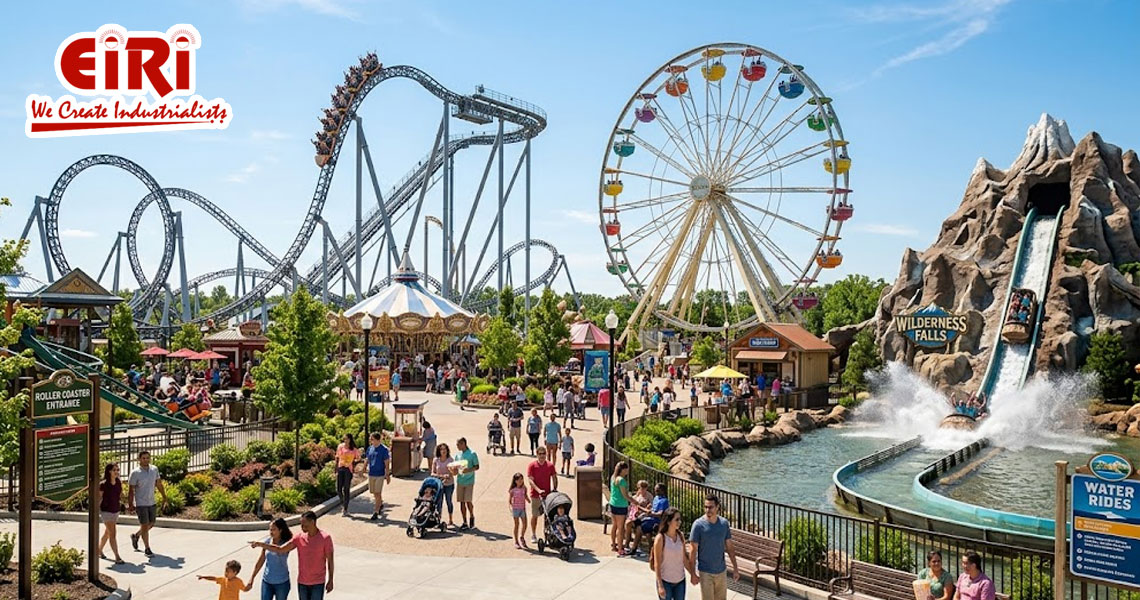
The amusement park industry has evolved into a powerful segment of the global entertainment market, driven by rising disposable incomes, urbanization, and the growing demand for experiential leisure activities. Families today seek destinations that offer more than just passive entertainment—they want immersive, engaging, and memorable experiences. This shift has created a strong opportunity for entrepreneurs to enter the amusement park business with innovative concepts and well-planned execution.
Unlike many traditional businesses, amusement parks offer long-term revenue potential once established. With the right mix of attractions, services, and marketing, a park can become a recurring destination for families, tourists, and corporate groups. The scalability of the business further adds to its appeal, allowing operators to expand gradually by introducing new rides, zones, or experiences over time.
Choosing the Right Business Concept
The first step in starting an amusement park is selecting a concept that aligns with your investment capacity and market demand. Entrepreneurs can choose between a traditional amusement park, a theme park with a storytelling element, or a water park focused on aquatic attractions. Each model has its own cost structure, audience appeal, and operational requirements.
A small-scale park may focus on local visitors and require moderate investment, while a large-scale destination park can attract regional or even national footfall but demands significant capital. The key is to identify a unique positioning that differentiates your park from competitors. A strong concept not only attracts visitors but also helps in branding and marketing efforts.
Market Research and Opportunity Analysis
Before investing in infrastructure and equipment, it is essential to conduct thorough market research. Understanding the local demand, competition, and customer preferences helps in making informed decisions. Entrepreneurs should analyze the demographics of the target audience, including age groups, income levels, and lifestyle patterns.
Studying existing parks in the region can provide insights into pricing, popular attractions, and gaps in the market. Additionally, factors such as tourism potential and seasonal variations play a crucial role in determining footfall. A well-executed market study ensures that the business is built on realistic assumptions and has a higher chance of success.
Defining Your Business Model
A clear business model is the backbone of any successful amusement park. Traditionally, parks generate revenue through entry tickets, but modern parks rely on multiple income streams. Entrepreneurs must decide whether to adopt a pay-per-ride system, an all-inclusive ticket model, or a hybrid approach.
Beyond ticket sales, revenue can be generated through food and beverage outlets, merchandise stores, event hosting, and premium experiences. Memberships and season passes can also ensure repeat visits and stable cash flow. Designing the business model early allows for better financial planning and operational efficiency.
Investment Planning and Budgeting
Starting an amusement park requires significant capital investment, making financial planning a critical step. Costs typically include land acquisition or leasing, construction, ride procurement, infrastructure development, and initial marketing. Additionally, working capital is needed to cover operational expenses during the initial months.
Entrepreneurs should prepare a detailed budget that accounts for both fixed and variable costs. Cost optimization can be achieved by prioritizing essential attractions in the initial phase and expanding gradually. Proper financial planning not only ensures smooth execution but also builds confidence among investors and stakeholders.
Selecting the Right Location
Location plays a vital role in the success of an amusement park. A well-chosen site can significantly boost footfall, while a poor location can limit growth despite having excellent attractions. Accessibility is one of the most important factors—parks should be easily reachable by road and ideally located near urban centers or tourist hubs.
The availability of sufficient land is another critical consideration, as it determines the scale of the park and future expansion possibilities. Surrounding infrastructure, such as hotels, restaurants, and transportation facilities, also influences visitor convenience. A strategic location lays the foundation for long-term success.
Park Planning and Layout Design
Effective planning and layout design are essential to create a seamless visitor experience. The park should be divided into zones based on themes, age groups, or types of attractions. This helps in managing crowd flow and ensures that visitors can explore the park comfortably.
Designing pathways, seating areas, and rest zones is equally important, as it enhances the overall experience. A well-planned layout minimizes congestion, reduces waiting times, and maximizes the utilization of space. The goal is to create an environment that is both functional and engaging.
Selecting Rides and Attractions
Rides and attractions are the core of any amusement park, and their selection should be based on the target audience. A balanced mix of thrill rides, family-friendly attractions, and children’s play areas ensures that the park appeals to a wide range of visitors.
Water-based attractions can be a valuable addition, especially in regions with warm climates. Entrepreneurs must also consider factors such as ride capacity, maintenance requirements, and popularity. Investing in the right combination of attractions is crucial for attracting and retaining visitors.
Sourcing Equipment and Vendors
Choosing the right vendors for rides and equipment is a critical decision that impacts both quality and long-term costs. Entrepreneurs should work with reliable manufacturers who offer durable products and after-sales support. Evaluating multiple suppliers and comparing their offerings helps in making informed choices.
Collaborating with experienced designers and consultants can also add value to the project. These professionals can provide insights into industry best practices and help in optimizing the design and functionality of the park.
Building the Park Infrastructure
In addition to rides, a successful amusement park requires robust infrastructure to support operations. Facilities such as food courts, restrooms, seating areas, and utility systems are essential for visitor comfort. The integration of technology, such as digital ticketing and cashless payment systems, can further enhance convenience.
Attention to detail in infrastructure development creates a positive impression and encourages visitors to spend more time in the park. A well-equipped park not only attracts customers but also improves operational efficiency.
Hiring and Training the Workforce
The success of an amusement park depends heavily on its workforce. From ride operators to customer service staff, every employee plays a role in delivering a positive experience. Hiring the right people and providing them with proper training is essential.
Training programs should focus on operational efficiency, customer interaction, and problem-solving skills. A motivated and well-trained team ensures smooth operations and contributes to customer satisfaction.
Setting Up Operations and Systems
Efficient operations are key to running an amusement park successfully. This includes managing ticketing systems, scheduling rides, and ensuring timely maintenance. Implementing structured processes helps in reducing downtime and improving service quality.
Technology can play a significant role in streamlining operations. Automated systems for ticketing, entry management, and reporting provide valuable data that can be used for decision-making. A well-organized operational framework ensures consistency and reliability.
Revenue Generation Strategies
Maximizing revenue requires a strategic approach that goes beyond ticket sales. Food and beverage outlets, retail stores, and merchandise sales can significantly contribute to overall income. Special events, birthday packages, and corporate bookings provide additional revenue streams.
Upselling premium experiences, such as fast-track entry or exclusive access, can enhance profitability. By diversifying income sources, entrepreneurs can create a stable and sustainable business model.
Marketing and Customer Acquisition
Attracting visitors is one of the biggest challenges in the amusement park business. A strong marketing strategy is essential to create awareness and generate interest. Pre-launch campaigns can build excitement and ensure a successful opening.
Digital marketing, including social media and online advertising, plays a crucial role in reaching a wider audience. Collaborations with local businesses and tourism operators can further boost visibility. Consistent marketing efforts help in maintaining steady footfall.
Enhancing Customer Experience
Customer experience is the defining factor that determines the success of an amusement park. Visitors expect not only exciting rides but also a comfortable and enjoyable environment. Reducing wait times, maintaining cleanliness, and providing efficient services are essential.
Interactive activities, live entertainment, and engaging environments can elevate the overall experience. Satisfied customers are more likely to return and recommend the park to others, creating a strong word-of-mouth effect.
Managing Footfall and Growth
Understanding visitor trends is important for managing operations effectively. Peak seasons and weekends often see higher footfall, requiring additional resources and planning. Analyzing visitor data helps in optimizing staffing, pricing, and promotions.
As the park grows, entrepreneurs can introduce new attractions and expand existing facilities. Continuous improvement and adaptation to changing trends are key to sustaining growth.
Challenges in Starting the Business
Despite its potential, the amusement park business comes with several challenges. High initial investment, demand uncertainty, and operational complexities can pose risks. Managing customer expectations and maintaining consistent quality also require continuous effort.
However, with proper planning and execution, these challenges can be effectively managed. Entrepreneurs who are prepared and adaptable are more likely to succeed in this industry.
Growth and Expansion Opportunities
Once the park is established, there are numerous opportunities for growth. Adding new rides, introducing themed zones, or expanding into water attractions can attract more visitors. Entrepreneurs can also explore franchising or opening additional locations.
Building a strong brand opens doors to partnerships and collaborations, further enhancing growth potential. Expansion should be planned strategically to ensure long-term sustainability.
Conclusion
Starting an amusement park is a complex but rewarding venture that requires careful planning, significant investment, and a strong focus on execution. From choosing the right concept to managing daily operations, every step plays a crucial role in determining success.
Entrepreneurs who understand the market, prioritize customer experience, and continuously innovate can build a profitable and scalable business. With the right approach, an amusement park can become a landmark destination that delivers both entertainment and lasting value.