
Complete Entrepreneur’s Guide to Gypsum Manufacturing Business





Gypsum is one of the most versatile industrial minerals used across construction, agriculture, healthcare, and manufacturing sectors. Chemically known as calcium sulfate dihydrate, gypsum has become a core raw material in modern infrastructure development. From interior wall systems and plasterboards to soil conditioning and dental applications, its wide range of uses makes it an attractive opportunity for entrepreneurs seeking entry into a stable and scalable industry.
The demand for gypsum products is closely tied to construction growth, urbanization, and infrastructure expansion. As buildings increasingly adopt lightweight, fire-resistant, and cost-efficient materials, gypsum-based products such as plasterboards and wall plasters are gaining significant traction. For entrepreneurs, this presents a compelling opportunity to build a business that serves both industrial and retail markets.
Understanding Raw Materials and Product Scope
A successful gypsum business begins with a clear understanding of raw materials and product categories. Natural gypsum is mined from sedimentary deposits, while synthetic gypsum is generated as a by-product from industrial processes. Both types can be processed into a variety of commercial products.
Gypsum can be transformed into plaster of Paris, gypsum powder, gypsum boards, and specialty plasters. Each product caters to a different market segment. Plaster of Paris is widely used in construction, decorative work, and medical applications. Gypsum boards dominate the interior construction segment due to their ease of installation and fire-resistant properties. Agricultural gypsum is used to improve soil structure and nutrient availability.
The ability to diversify product offerings gives entrepreneurs flexibility in targeting multiple industries, reducing dependency on a single revenue stream.
Manufacturing Process and Technology
From Raw Gypsum to Finished Products
- The manufacturing process of gypsum products involves several stages, starting with crushing and grinding the raw gypsum into a fine powder. This is followed by calcination, a controlled heating process that removes water molecules from gypsum to produce hemihydrate plaster, commonly known as plaster of Paris.
- The calcination process is critical because it determines the quality and properties of the final product. Different heating methods such as rotary kilns, kettle systems, and fluidized bed calciners are used depending on the scale of production and desired output quality.
- After calcination, the material is processed further depending on the end product. For gypsum boards, the calcined gypsum is mixed with additives, sandwiched between paper layers, and passed through forming, cutting, and drying stages. For gypsum powder and plaster, the material is ground to specific fineness levels and packaged.
Importance of Process Control
- Consistency in product quality depends heavily on process control. Parameters such as temperature, particle size, and water-to-powder ratio must be carefully monitored. Improper control can lead to variations in setting time, strength, and durability of the final product.
- Modern plants incorporate automated systems and quality testing methods to ensure uniformity. Entrepreneurs entering this space should prioritize process optimization to reduce waste, improve efficiency, and maintain competitive quality standards.
Product Segments and Market Applications
Gypsum Plaster and Powder
Gypsum plaster is widely used for wall finishing due to its smooth texture and quick setting properties. Unlike traditional cement plaster, gypsum plaster requires less water and reduces curing time, making it highly efficient for construction projects.
Gypsum powder also finds applications in molding, casting, and industrial processes. Its adaptability makes it a high-demand product in both small-scale and large-scale markets.
Gypsum Boards and Panels
Gypsum boards represent one of the most lucrative segments in the gypsum industry. These boards are used extensively in interior walls, ceilings, and partitions. Their lightweight nature, combined with fire resistance and sound insulation, makes them ideal for modern construction.
Different types of gypsum boards cater to specific needs, including moisture-resistant boards for humid environments, fire-resistant boards for safety applications, and soundproof boards for acoustic control.
Plaster of Paris and Specialty Products
Plaster of Paris is a fast-setting material used in decorative applications, medical casts, and artistic creations. Its ability to form intricate shapes makes it popular in architectural detailing and sculpture work.
Specialty gypsum products, including dental plaster and high-strength variants, cater to niche markets that demand precision and performance. These segments, although smaller in volume, often offer higher margins.
Applications Across Industries
The versatility of gypsum extends beyond construction. In agriculture, gypsum improves soil structure, enhances water infiltration, and provides essential nutrients like calcium and sulfur. In healthcare, it is used for orthopedic casts and dental molds. Industrial applications include cement manufacturing, where gypsum acts as a setting regulator.
This wide range of applications ensures consistent demand across multiple sectors, making gypsum a relatively stable business compared to single-industry-dependent products.
Plant Setup and Infrastructure
Location and Layout Considerations
Choosing the right plant location is crucial for operational efficiency. Proximity to raw material sources reduces transportation costs, while access to markets ensures timely distribution. Availability of utilities such as electricity, water, and transportation infrastructure also plays a significant role.
The plant layout should be designed to streamline production flow, minimize material handling, and optimize space utilization. A well-planned layout improves productivity and reduces operational bottlenecks.
Machinery and Equipment
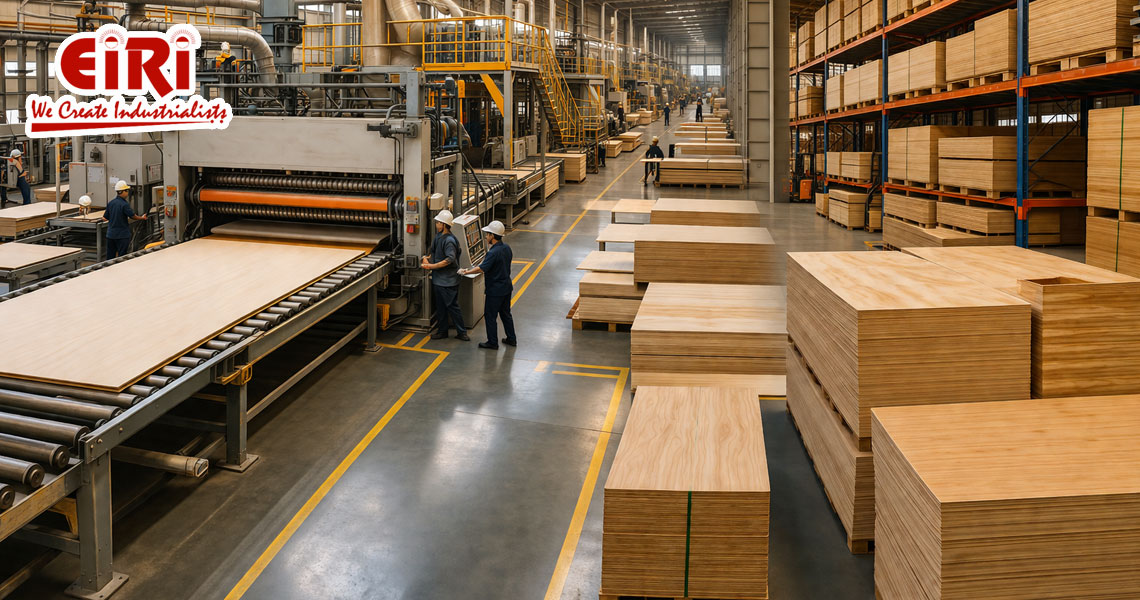
A gypsum manufacturing unit requires a range of machinery, including crushers, grinding mills, calcination units, mixers, board forming machines, and dryers. The choice of equipment depends on the scale of production and product range.
Automated systems can significantly enhance efficiency and reduce labor dependency. However, initial investment costs must be carefully evaluated to ensure financial feasibility.
Quality Control and Standards
Maintaining product quality is essential for building a strong market reputation. Parameters such as setting time, compressive strength, fineness, and moisture content must be regularly tested. Standardized testing methods ensure that products meet industry requirements and customer expectations.
Consistency in quality not only improves customer satisfaction but also reduces returns and complaints, ultimately contributing to long-term business growth.
Handling, Storage, and Logistics
Gypsum products require proper handling and storage to maintain their quality. Exposure to moisture can affect the performance of gypsum powder and boards. Storage facilities should be dry, well-ventilated, and organized to prevent damage.
Efficient logistics play a key role in delivering products to customers on time. Proper packaging, transportation methods, and inventory management systems help minimize losses and ensure smooth operations.
Advanced Processing and Product Innovation
As competition increases, innovation becomes a key differentiator. Advanced processing techniques such as ultrafine grinding and controlled crystallization improve product performance. Pelletizing and specialized formulations open up new application areas.
Entrepreneurs can explore value-added products such as ready-mix plasters, high-strength boards, and customized solutions for specific industries. Continuous improvement in product quality and diversification can significantly enhance profitability.
Business Economics and Profitability
The financial viability of a gypsum manufacturing business depends on factors such as raw material costs, production efficiency, market demand, and pricing strategy. Initial investment includes land, machinery, and working capital, while operational costs involve labor, energy, and maintenance.
Revenue potential varies based on product mix and market reach. Gypsum boards and specialty products generally offer higher margins compared to basic gypsum powder. Entrepreneurs should focus on optimizing production costs while maintaining competitive pricing.
Scaling the business through capacity expansion and product diversification can lead to higher profitability. Efficient resource management and strategic planning are essential for sustainable growth.
Challenges and Operational Considerations
While the gypsum industry offers significant opportunities, it also comes with challenges. Fluctuations in raw material availability, energy costs, and market competition can impact profitability. Maintaining consistent product quality and managing operational efficiency are ongoing concerns.
- Fluctuations in raw material availability can impact production
- Energy costs influence overall manufacturing expenses
- Market competition requires strong quality and pricing strategies
- Skilled workforce is necessary for efficient operations
- Continuous monitoring and improvement are needed to sustain growth
Technical expertise is required to handle manufacturing processes and ensure optimal performance. Entrepreneurs should invest in skilled workforce and training to overcome these challenges.
Conclusion
The gypsum manufacturing business presents a promising opportunity for entrepreneurs looking to enter the construction and industrial materials sector. With its wide range of applications, consistent demand, and scope for product diversification, gypsum offers a strong foundation for building a profitable enterprise.
Success in this industry depends on a clear understanding of raw materials, efficient manufacturing processes, quality control, and market positioning. By focusing on innovation, operational efficiency, and customer needs, entrepreneurs can establish a competitive presence and achieve long-term growth in the gypsum sector.