
Feminine Hygiene and Personal Care Products - The Science, Technology, and Industry Behind










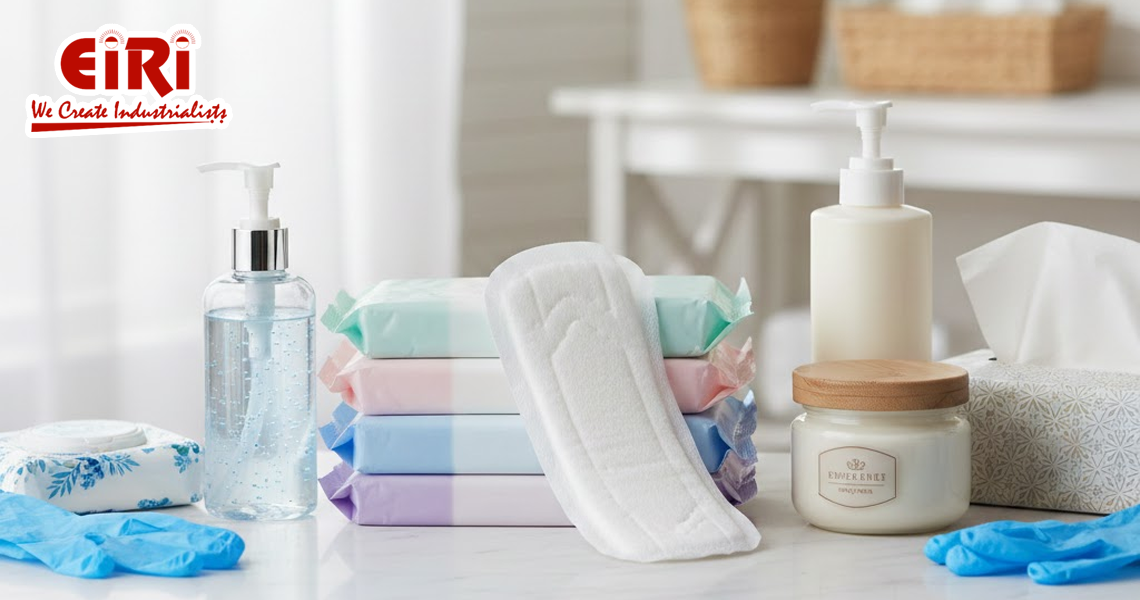
Feminine hygiene and personal care products are no longer viewed as optional consumer goods. They are essential components of public health, dignity, and quality of life for women across all age groups. With growing awareness around menstrual health, intimate hygiene, and skin safety, the industry has evolved rapidly from basic utility products to technologically advanced, dermatologically tested, and sustainability-driven solutions.
Behind every sanitary napkin, intimate wash, wet wipe, or menstrual cup lies a complex interplay of material science, formulation chemistry, process engineering, quality control, and regulatory compliance. Understanding this ecosystem is crucial not only for consumers but also for manufacturers, entrepreneurs, healthcare professionals, and policymakers who aim to create safe, effective, and scalable hygiene solutions.
This article explores the complete landscape of feminine hygiene and allied personal care products—from health fundamentals and product science to manufacturing technologies and plant economics—offering a holistic view of one of the fastest-growing segments in the global wellness industry.
Understanding Feminine Hygiene: Health, Awareness, and Social Impact
Feminine hygiene encompasses practices and products designed to maintain cleanliness, comfort, and health of the female body, particularly during menstruation, pregnancy, postpartum phases, and menopause. Despite being a natural biological process, menstruation has long been surrounded by stigma, misinformation, and limited access to hygienic products in many parts of the world.
The concept of period poverty highlights the lack of access to affordable menstrual products, sanitation facilities, and education. This has direct implications on school attendance, workforce participation, and overall health outcomes. As awareness increases, so does demand for a wide range of menstrual hygiene products including sanitary napkins, tampons, menstrual cups, discs, sponges, pantyliners, and reusable cloth pads.
Equally important are intimate cleansing products, body washes, deodorants, wipes, and protective solutions that support daily hygiene without disrupting the body’s natural balance. The modern consumer seeks products that are safe, gentle, scientifically validated, and environmentally responsible.
Scope for Entrepreneurs in Feminine Hygiene and Personal Care Manufacturing
The feminine hygiene and personal care sector offers significant scope for entrepreneurs due to its essential nature, repeat consumption pattern, and expanding consumer base. Unlike many discretionary consumer goods, hygiene products maintain steady demand irrespective of economic cycles, making them attractive for long-term business sustainability. Entrepreneurs can enter this sector at multiple scales, ranging from small and medium enterprises producing sanitary napkins, wet wipes, soaps, and intimate washes to large integrated manufacturing units covering a broader portfolio of personal care products.
Low to medium capital entry options exist in segments such as sanitary napkins, pantyliners, wet wipes, paper products, soaps, herbal shampoos, and hand sanitizers, especially with semi-automatic machinery and localized distribution models. Government initiatives promoting menstrual hygiene, women-led enterprises, rural manufacturing, and biodegradable alternatives further enhance entrepreneurial viability. In addition, private-label manufacturing and contract production for emerging brands allow new entrants to leverage existing market demand without heavy investment in brand-building during the initial phase.
The sector also presents opportunities for innovation-driven startups focusing on eco-friendly materials, reusable menstrual products, herbal formulations, and dermatologically safer alternatives. With growing awareness among consumers, products that emphasize safety, sustainability, and transparency in ingredients can command premium positioning. Entrepreneurs who combine technical knowledge with strong quality control systems and regulatory compliance can establish credible brands and scalable manufacturing operations in both domestic and export markets.
Menstrual Hygiene Products: Evolution and Innovation
Menstrual hygiene products have undergone significant transformation over the decades. Traditional disposable sanitary napkins and tampons have been complemented by reusable and alternative solutions such as menstrual cups, discs, cloth pads, and biodegradable napkins. Each product category serves different needs based on comfort, flow level, lifestyle, and cultural acceptance.
- Sanitary napkins involve sophisticated absorbent core technology using cotton lint, fluff pulp, superabsorbent polymers, tissue layers, and breathable back sheets. Automation has improved consistency, hygiene, and production capacity while reducing manual handling.
- Tampons and menstrual cups rely heavily on material safety, absorbency performance, and biocompatibility. Silicone injection molding, precision trimming, sterilization, and stringent quality control are critical steps in producing internal menstrual products.
- Reusable options like cloth pads and menstrual sponges address sustainability concerns while demanding proper care and hygiene education. The success of any menstrual product lies in balancing comfort, safety, affordability, and environmental impact.
Intimate Cleansing and Feminine Wash Products
Intimate hygiene washes are formulated specifically for the vulvar area, maintaining an acidic pH and avoiding harsh surfactants that can disrupt natural microflora. Unlike regular soaps, these products use mild cleansing agents, herbal extracts, lactic acid, and soothing ingredients to provide gentle yet effective cleansing.
Formulation strategies focus on dermatological safety, microbiological stability, and sensory appeal. Manufacturing requires controlled mixing, pH adjustment, preservation systems, and hygienic filling processes. Growing awareness around vaginal health has significantly expanded the market for intimate washes, wipes, and gels.
Wet Wipes, Facial Cloths, and On-the-Go Hygiene Solutions
Wet wipes have become indispensable across baby care, personal hygiene, healthcare, cosmetics, and intimate care segments. Flushable wipes, facial cleansing cloths, and intimate wipes are designed with non-woven substrates, carefully balanced formulations, and skin-friendly preservatives.
The manufacturing process involves non-woven fabric preparation, impregnation with cleansing solutions, controlled moisture retention, and airtight packaging to ensure shelf stability. With rising urban lifestyles and travel habits, demand for portable hygiene solutions continues to grow steadily.
Skin, Hair, and Body Care Products for Women
Women-specific personal care extends beyond menstrual hygiene into daily grooming and wellness. Products such as body washes, soaps, shampoos, deodorants, shaving creams, lotions, lip balms, sunscreens, and medicated powders are formulated with attention to skin sensitivity, hormonal changes, and environmental exposure.
Advances in surfactant chemistry, such as glycinate-based cleansers, have improved mildness and moisturization. Herbal and polyherbal formulations using neem, aloe vera, rose, almond, and essential oils cater to consumers seeking natural alternatives.
Hair care products like herbal shampoos, baby shampoos, anti-dandruff solutions, and no-rinse formulations require precise control over detergents, conditioners, thickeners, preservatives, and fragrances. Each formulation must balance cleansing efficiency with scalp and hair health.
Oral Care Products: Hygiene Beyond the Surface
Oral hygiene plays a crucial role in overall health, influencing digestion, cardiovascular health, and self-confidence. Products such as toothpaste, toothbrushes, mouthwashes, and dental floss are integral to daily routines.
Modern toothpaste formulations incorporate abrasives, binders, humectants, fluoride compounds, herbal extracts, whitening agents, and antimicrobial ingredients. Manufacturing involves controlled mixing, deaeration, tube filling, and hygienic packaging.
Toothbrush technology has evolved from basic manual designs to electric, ultrasonic, eco-friendly, and disposable variants. Each product demands precision molding, bristle insertion, trimming, and quality inspection to ensure performance and safety.
Deodorants, Sanitizers, and Protective Hygiene Products
Personal hygiene also includes protection against odor, germs, and infections. Deodorants and antiperspirants use complex delivery systems including roll-ons, sticks, aerosols, creams, and sprays. Formulations must balance efficacy with skin compatibility while complying with cosmetic regulations.
Alcohol-based hand sanitizers gained unprecedented importance during global health crises. Their production involves strict adherence to WHO formulations, alcohol handling safety, controlled mixing, and proper packaging.
Disposable gloves made from latex, nitrile, or vinyl form another essential hygiene barrier in healthcare, food processing, and domestic use. Glove manufacturing is capital-intensive, involving dipping processes, curing, leaching, and quality testing.
Manufacturing Technologies and Automation
Across all hygiene product categories, manufacturing technology plays a decisive role in scalability, consistency, and compliance. Automation reduces contamination risk, improves productivity, and ensures uniform quality. Machinery such as mixing vessels, filling lines, sealing machines, molding units, and sterilizers are tailored to each product type.
Quality control protocols include physical testing, microbiological analysis, dermatological compatibility, and shelf-life evaluation. Regulatory standards vary by product category, especially for medical-grade and internal-use products, necessitating robust documentation and testing frameworks.
Plant Economics and Entrepreneurial Opportunities
Beyond product science, understanding plant economics is essential for entrepreneurs and investors. Capital investment planning includes land, buildings, machinery, working capital, and operating costs. Profitability depends on scale, automation level, raw material sourcing, and market positioning.
Manufacturing units for products such as sanitary napkins, wet wipes, tissue paper, deodorants, creams, and sanitizers offer significant opportunities due to consistent demand and government support for hygiene initiatives. Detailed feasibility analysis and process knowledge are key to long-term success.
Current Market Trends in Feminine Hygiene and Personal Care Products
The current market for feminine hygiene and personal care products is characterized by rapid diversification, premiumization, and increased consumer awareness. Traditional products such as disposable sanitary napkins and soaps continue to dominate volumes, but there is a noticeable shift toward specialized and value-added offerings. Consumers are increasingly opting for products that are dermatologically tested, pH-balanced, fragrance-free, or enriched with natural and herbal ingredients.
Sustainability has emerged as a defining trend, influencing both product design and manufacturing practices. Biodegradable sanitary napkins, reusable menstrual cups, cloth pads, and eco-friendly packaging are gaining traction, particularly among urban and environmentally conscious consumers. At the same time, convenience-driven products such as wet wipes, no-rinse cleansers, intimate wipes, and portable hygiene solutions are witnessing strong growth due to changing lifestyles and increased travel.
Digital commerce and direct-to-consumer models are reshaping how feminine hygiene products reach end users. Online platforms enable niche brands to educate consumers, build trust, and offer subscription-based models that ensure consistent demand. Additionally, regulatory scrutiny and quality awareness have increased, pushing manufacturers to invest more in testing, documentation, and standardized production processes. This shift is gradually formalizing the industry and creating a more level playing field for serious manufacturers.
Future Scope and Growth Potential of the Feminine Hygiene Industry
The future scope of the feminine hygiene and personal care industry remains highly promising, driven by demographic trends, rising health awareness, and continuous product innovation. Increasing female workforce participation, urbanization, and improved access to education are expanding the consumer base across both developed and emerging markets. In many regions, penetration levels for modern menstrual hygiene products are still far from saturation, indicating substantial untapped demand.
Technological advancements are expected to play a major role in shaping future growth. Innovations in absorbent materials, non-woven fabrics, biodegradable polymers, and skin-friendly formulations will lead to safer, more comfortable, and environmentally responsible products. Automation and smart manufacturing will improve efficiency, reduce contamination risks, and enhance product consistency, making high-quality production accessible even to mid-sized enterprises.
From a business perspective, export opportunities are likely to grow as global demand increases for cost-effective yet quality-compliant hygiene products. Regulatory harmonization and international certifications will further enable manufacturers to access new markets. Additionally, growing public and private sector involvement in menstrual health programs, school hygiene initiatives, and community outreach is expected to drive bulk demand and long-term contracts.
Overall, the industry is moving toward a knowledge-intensive, quality-driven model where success depends on technical expertise, compliance, and consumer trust. Entrepreneurs and manufacturers who invest early in innovation, sustainability, and robust manufacturing practices are well positioned to benefit from the strong and sustained growth outlook of the feminine hygiene and personal care sector.
Conclusion: Building Knowledge-Driven Hygiene Solutions
Feminine hygiene and personal care products sit at the intersection of health, science, technology, and social responsibility. As awareness grows and markets expand, the need for deep technical understanding becomes more important than ever. From raw materials and formulations to manufacturing processes and economic viability, every aspect contributes to creating products that improve lives.
A comprehensive, knowledge-driven approach empowers manufacturers, entrepreneurs, healthcare professionals, and educators to make informed decisions, innovate responsibly, and contribute meaningfully to women’s health and hygiene worldwide. In an industry that directly impacts dignity, comfort, and well-being, informed action is not just an advantage - it is a responsibility.