
Waste Recycling and Management Business Ideas










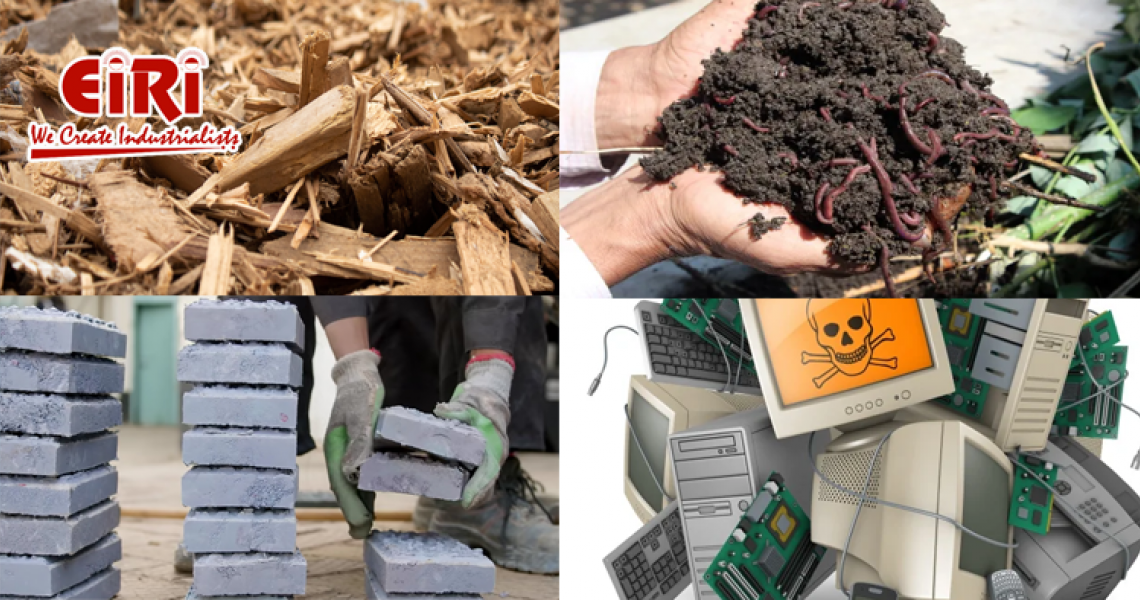
In an era marked by environmental consciousness and sustainability, waste recycling and management have emerged as pivotal sectors offering both economic viability and ecological responsibility. This article explores four distinctive and promising business ideas within the waste recycling domain, each encapsulating the essence of transforming discarded materials into valuable resources.
Wood Recycling, as a fundamental pillar of the circular economy, involves repurposing discarded wood products, contributing to the conservation of forests and the reduction of construction waste. With a burgeoning demand for eco-friendly construction practices, the market for recycled wood has witnessed substantial growth. Entrepreneurs in this sector can not only generate revenue through the sale of reclaimed wood but also delve into the creation of innovative, upcycled furniture and décor items. Another ecological endeavor, Vermicompost, involves leveraging the prowess of earthworms to convert organic waste into nutrient-rich compost. As organic farming gains momentum, vermicompost serves as a sought-after, sustainable alternative to chemical fertilizers, presenting a lucrative opportunity for entrepreneurs to cater to the expanding market.
Delving into the realms of construction and infrastructure, the ingenious concept of Plastic Waste to Bricks addresses two critical issues simultaneously – plastic pollution and sustainable construction materials. By transforming plastic waste into durable building blocks, entrepreneurs in this space contribute to eco-friendly construction practices and generate income by supplying these bricks to environmentally conscious builders. Lastly, E-Waste Recycling encapsulates the responsible disposal and repurposing of discarded electronic devices, a pressing concern in our digitally driven society. As technology advances, so does the influx of electronic waste, creating a burgeoning market for entrepreneurs who can offer e-waste collection services, extract valuable metals through recycling processes, and provide refurbished electronic components. These four waste recycling and management business ideas encapsulate the essence of turning environmental challenges into entrepreneurial opportunities, fostering a sustainable future where waste becomes a valuable resource.
Wood Recycling: Transforming Waste into Wealth
Wood Recycling is an innovative business concept that aligns with the principles of sustainability, aiming to turn discarded wood products into valuable resources. This process involves the systematic collection, processing, and repurposing of wood sourced from various origins, such as construction sites, old furniture, and industrial pallets. By salvaging these materials, wood recycling not only prevents the unnecessary disposal of wood waste but also contributes to the conservation of forests and reduction of construction-related environmental impact.
The market demand for recycled wood products is steadily increasing, driven by a global shift towards eco-friendly construction practices and heightened awareness about deforestation issues. Businesses engaged in wood recycling are well-positioned to capitalize on this demand, offering a range of products derived from reclaimed wood. Revenue streams for such enterprises can include the sale of reclaimed wood itself, the production of wood chips suitable for landscaping purposes, or the manufacturing of upcycled furniture and decor items. This multi-faceted profit potential not only addresses environmental concerns but also provides entrepreneurs in the wood recycling sector with the opportunity to contribute to sustainable practices while building a successful and profitable business.
The wood recycling sector is projected to experience a compound annual growth rate (CAGR) of 7.32% from 2022 to 2027.
- Business Concept: Wood recycling involves collecting, processing, and repurposing discarded wood products to create new materials. This can encompass salvaging wood from construction sites, old furniture, or even industrial pallets.
- Market Demand: With a surge in eco-friendly construction practices and a focus on reducing deforestation, the demand for recycled wood products is on the rise.
- Profit Potential: Wood recycling businesses can generate revenue through the sale of reclaimed wood, production of wood chips for landscaping, or manufacturing upcycled furniture and decor items.
Vermicompost: Nurturing Soil Health
Vermicomposting, a nature-inspired business concept, revolves around harnessing the power of earthworms to decompose organic waste, creating nutrient-rich compost. This innovative idea finds resonance in the contemporary emphasis on sustainable agriculture and the growing popularity of organic farming practices. Vermicompost, produced through this process, serves as a potent and eco-friendly soil conditioner, contributing to soil health and promoting sustainable farming methods.
The market demand for organic fertilizers and soil conditioners is on the rise, driven by a global shift towards environmentally conscious and health-conscious agricultural practices. Vermicompost stands out as a preferred choice among eco-friendly alternatives, positioning businesses in this sector for significant growth. Entrepreneurs in vermicomposting can tap into the profit potential of this industry by supplying vermicompost to individual gardeners, farmers, and nurseries. Moreover, offering vermicomposting services for households and businesses provides an additional revenue stream, making this business idea not only environmentally beneficial but also economically viable for those looking to venture into the field of organic waste management and sustainable agriculture.
The size of the vermicompost market worldwide reached approximately USD 85.39 million in 2022 and is anticipated to reach about USD 270.25 million by 2030, exhibiting a compound annual growth rate (CAGR) of approximately 15.56% from 2023 to 2030.
- Business Concept: Vermicomposting leverages earthworms to decompose organic waste, transforming it into nutrient-rich compost. This business idea aligns with the growing trend of sustainable agriculture and organic farming.
- Market Demand: The demand for organic fertilizers and soil conditioners is escalating, with vermicompost being a sought-after choice due to its environmentally friendly nature.
- Profit Potential: Entrepreneurs can generate income by selling vermicompost to individual gardeners, farmers, and nurseries. Additionally, offering vermicomposting services for households and businesses is a viable revenue stream.
Plastic Waste to Bricks: Building a Sustainable Future
Plastic Waste to Bricks is a visionary business concept aimed at addressing environmental concerns by transforming discarded plastic materials into durable, eco-friendly building blocks. This innovative approach not only tackles the pervasive issue of plastic pollution but also aligns with the growing trend in the construction industry towards sustainable and eco-conscious building practices. The process involves the careful processing of plastic waste, blending it with binders, and creating bricks that serve as a greener alternative to traditional construction materials.
The market demand for sustainable construction solutions has witnessed a surge as the construction industry increasingly emphasizes environmental responsibility. Plastic waste bricks provide an efficient way to repurpose plastic materials, contributing to the reduction of environmental impact. Beyond their eco-friendly appeal, these bricks offer energy-efficient and cost-effective construction solutions, making them an attractive choice for builders and contractors looking to embrace sustainability. Entrepreneurs venturing into the Plastic Waste to Bricks business can tap into the profit potential by supplying these innovative building materials to the construction sector. Selling plastic waste bricks to builders, contractors, and construction companies not only addresses environmental challenges but also positions businesses in a lucrative niche within the sustainable construction market.
The market for waste plastic bricks is set for substantial expansion in the upcoming years. Growing awareness of environmental concerns, the imperative for sustainable construction methods, and governmental initiatives are expected to fuel the demand for waste plastic bricks.
- Business Concept: Converting plastic waste into bricks involves processing discarded plastic materials and blending them with binders to create durable, eco-friendly building blocks.
- Market Demand: The construction industry is increasingly embracing sustainable practices. Using plastic waste to create bricks not only addresses the plastic pollution issue but also contributes to energy-efficient and cost-effective construction solutions.
- Profit Potential: Entrepreneurs can capitalize on the demand for eco-friendly construction materials by producing and selling plastic waste bricks to builders, contractors, and construction companies.
E-Waste Recycling: Extracting Value from Technological Discards
E-Waste Recycling is a forward-thinking business concept centered around the sustainable management of electronic waste, involving the dismantling, recovery, and reuse of electronic components from discarded devices such as computers, smartphones, and appliances. As the global use of electronic devices continues to surge, coupled with the rapid evolution of technology, the accumulation of electronic waste has become a significant environmental concern. E-Waste recycling addresses this issue by providing a comprehensive solution for the ethical disposal and responsible handling of electronic discards.
The market demand for E-Waste recycling is propelled by the relentless influx of outdated and discarded electronic devices. With society's increasing awareness of the environmental impact of improper e-waste disposal, there is a growing need for ethical and sustainable solutions. Entrepreneurs entering the E-Waste Recycling business can unlock profit potential by offering services such as e-waste collection, implementing efficient recycling processes to extract valuable metals from electronic components, and engaging in the refurbishment or resale of functional parts. This multifaceted approach not only contributes to environmental conservation but also positions businesses to meet the rising demand for responsible e-waste management.
In 2022, the India e-Waste Management Market reached $1,500.43 million, with a projected valuation of $4,578.27 million by 2031, exhibiting a 13.52% CAGR during the forecast from 2023 to 2031.
- Business Concept: E-Waste recycling involves dismantling, recovering, and reusing electronic components from discarded devices like computers, smartphones, and appliances.
- Market Demand: The proliferation of electronic devices and the rapid pace of technological advancements result in a constant influx of e-waste. Ethical disposal and recycling solutions are increasingly sought after.
- Profit Potential: Entrepreneurs can profit by offering e-waste collection services, extracting valuable metals through recycling processes, and refurbishing or reselling functional electronic components.